Trump Waives Russia Sanctions, Accuses Zelensky of Prolonging War
Context mode is active. Hover over any highlighted term to see its definition. Click a nested term to go deeper.
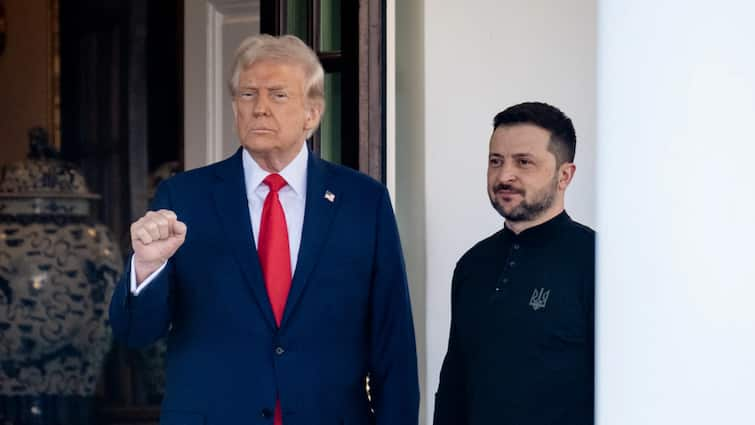
In a bold move that has rattled Kyiv and angered many in Washington, U.S. President Donald Trump on Friday signed an executive order waiving significant new sanctions against Russia, simultaneously accusing Ukrainian President Volodymyr Zelensky of actively prolonging the nearly five-year-long conflict. Trump defended his decision by stating it was crucial for fostering peace talks and preventing Russia from disengaging from the bargaining table. This development comes as the Lindsey O. Graham Sanctioning Russia and Iran Act, designed to further pressure Moscow, was set to take full effect. Trump's waiver, which also allows for the continued flow of Russian diesel into global markets, aims to curb rising fuel prices in the U.S. ahead of next month's midterm elections. Meanwhile, President Zelensky immediately countered Trump's accusations, emphasizing that Russia, not Ukraine, is the obstacle to peace, pointing to a recent barrage of ballistic missiles and drones that left hundreds of thousands without power. Zelensky also accused the U.S. of limiting vital supplies and intelligence, including access to military satellite technology, amid escalating tensions. The immediate fallout includes a deepening rift in the U.S.-Ukraine alliance, with bipartisan condemnation in Congress over Trump's actions, which many see as undermining support for Kyiv. While Trump insists he is mediating, European allies are doubling down; the EU recently expanded its own Russia sanctions list, targeting Moscow's military-industrial complex. All eyes will now be on the proposed trilateral talks between the U.S., Ukraine, and Russia, which Zelensky says the U.S. aims to broker by the end of October, as the world watches whether this diplomatic tightrope walk can bring any meaningful de-escalation.