Trump Weaponizes NYC Grocery ID Spat, Reigniting National Voter ID Battle
Context mode is active. Hover over any highlighted term to see its definition. Click a nested term to go deeper.
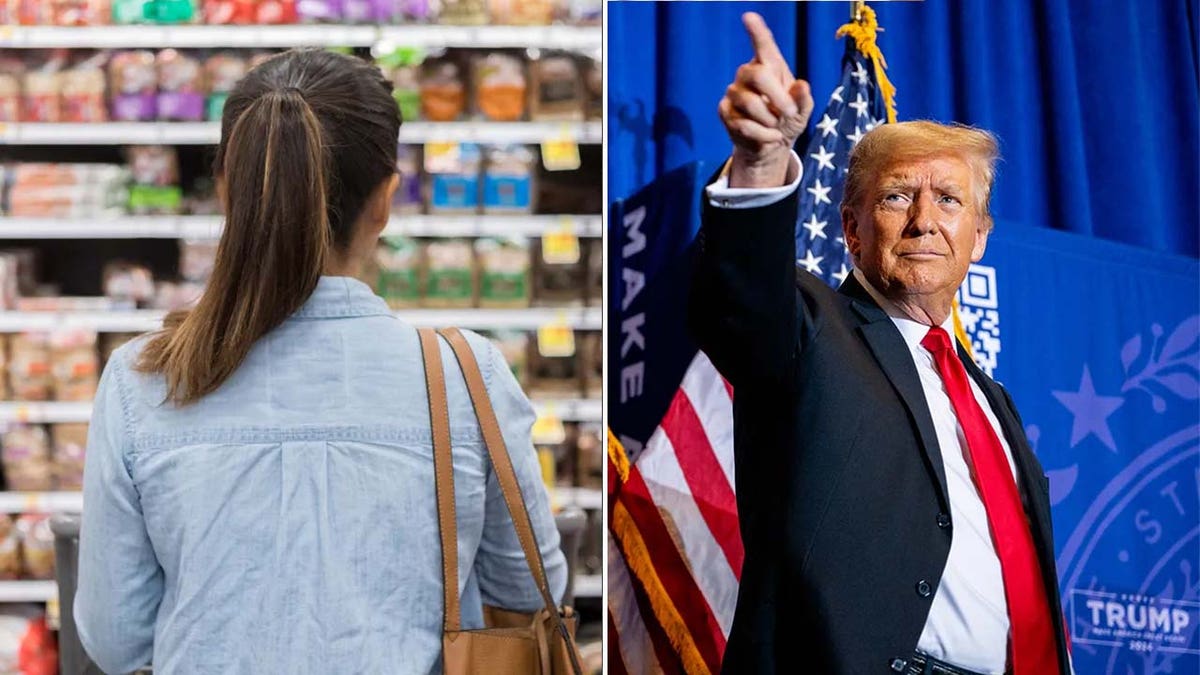
Former US President Donald Trump has seized upon a controversial proposal by New York City Mayor Zohran Mamdani to require identification for discounted groceries, using it as fresh ammunition to renew his aggressive calls for national voter identification laws. The seemingly local debate quickly exploded into a national political flashpoint, with Trump and his 'Make America Great Again' (MAGA) allies accusing Democrats of hypocrisy for supporting ID requirements for food but opposing them for ballots, even as Mamdani's office clarified that no such ID would be needed to shop. Mamdani's administration, aiming to combat soaring food prices, recently announced plans for five city-owned grocery stores offering a 30% discount on essential items, scheduled to open in 2027. The controversy ignited after Jeanny Pak, Interim President and CEO of the NYC Economic Development Corporation, mentioned a 'library card-esque system' to prevent abuse of the discounted goods, which conservative pundits and Trump instantly framed as an ID mandate. This plays directly into Trump's long-standing push for his 'SAVE America Act', a proposed federal law that would mandate proof of citizenship for voter registration and photo ID for casting ballots, a measure he has made a legislative priority for 2026. The rapid politicization of NYC's grocery plan underscores the deep partisan divide over election integrity and access in the lead-up to the 2026 US midterm elections. While Mamdani's team insists there will be no ID requirement for grocery shoppers, the incident highlights how local policy debates can quickly be co-opted for broader national political agendas, especially by figures like Trump who are keen to galvanize their base around issues like voter ID. Observers will be watching how this narrative influences the ongoing battle for electoral reforms and public perception of government-backed social programs.