Trump-Xi Summit: Trade Truce Extended, AI Rift Deepens Amidst Grand White House Display
Context mode is active. Hover over any highlighted term to see its definition. Click a nested term to go deeper.
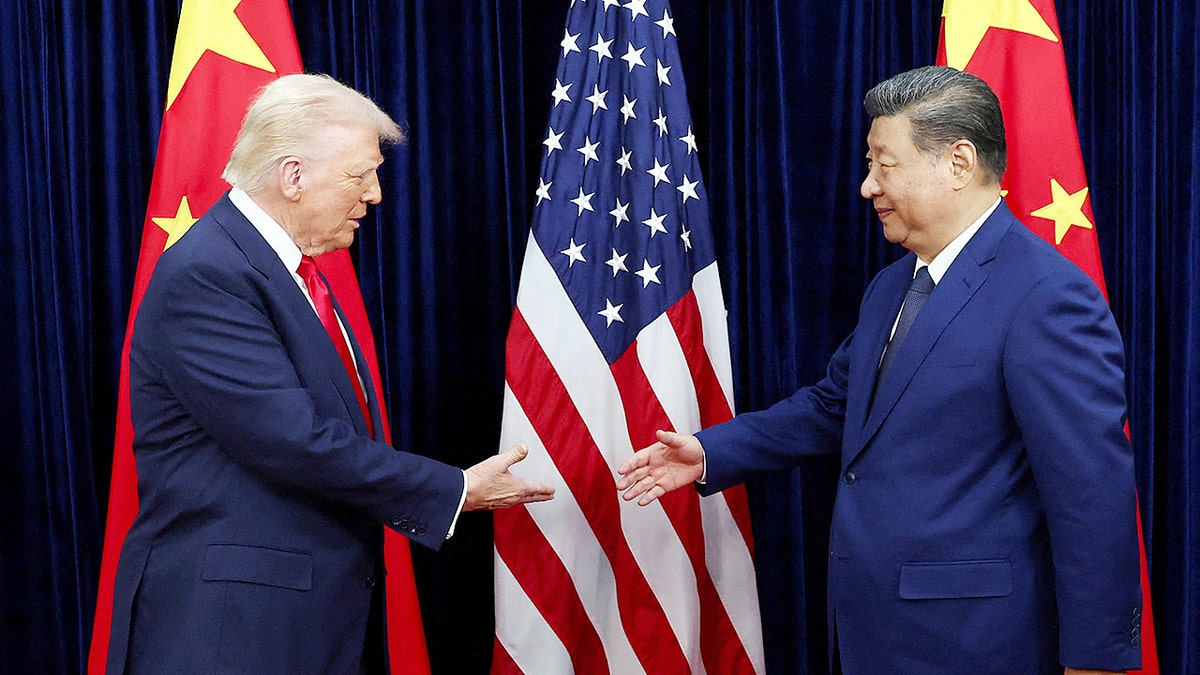
US President Donald Trump hosted Chinese President Xi Jinping at the White House yesterday, where the two leaders agreed to a two-month extension of their trade truce, known as the 'Busan Agreement', until January 10, 2027. While the elaborate state visit saw much fanfare, major breakthroughs on contentious issues like trade imbalances, Taiwan, and the future of artificial intelligence remained elusive. The short extension aims to buy more time for discussions, even as China continues to fall short on some agricultural purchase commitments and rare-earth deliveries. The summit highlighted a deepening divide on AI, with President Trump dismissing calls for new regulations and favoring the US Department of Justice as a 'guardrail,' contrasting sharply with President Xi's emphasis on global governance and 'human control' over AI development. This comes amid proposals for a new US-China AI Dialogue and a notification mechanism for AI safety. Meanwhile, Xi explicitly urged the US to 'oppose Taiwan independence,' a stronger stance than Washington's usual 'does not support' position, putting Taiwan's future firmly on the table. Looking ahead, the next two months will be critical to see if Washington and Beijing can move beyond the current truce to a more durable trade agreement, especially given the ongoing shortfalls in China's commitments and discussions of a 'bigger deal'. The stark differences on AI governance and the sensitive Taiwan issue suggest continued geopolitical friction, with a proposed US-China AI Dialogue and bilateral trade body now central to managing this complex rivalry. The world will be watching whether these discussions can prevent the 'Thucydides Trap' that Xi frequently invokes.