Trump's $2 Billion Crypto Bonanza Ignites Alarm Over Western Political Ethics
Context mode is active. Hover over any highlighted term to see its definition. Click a nested term to go deeper.
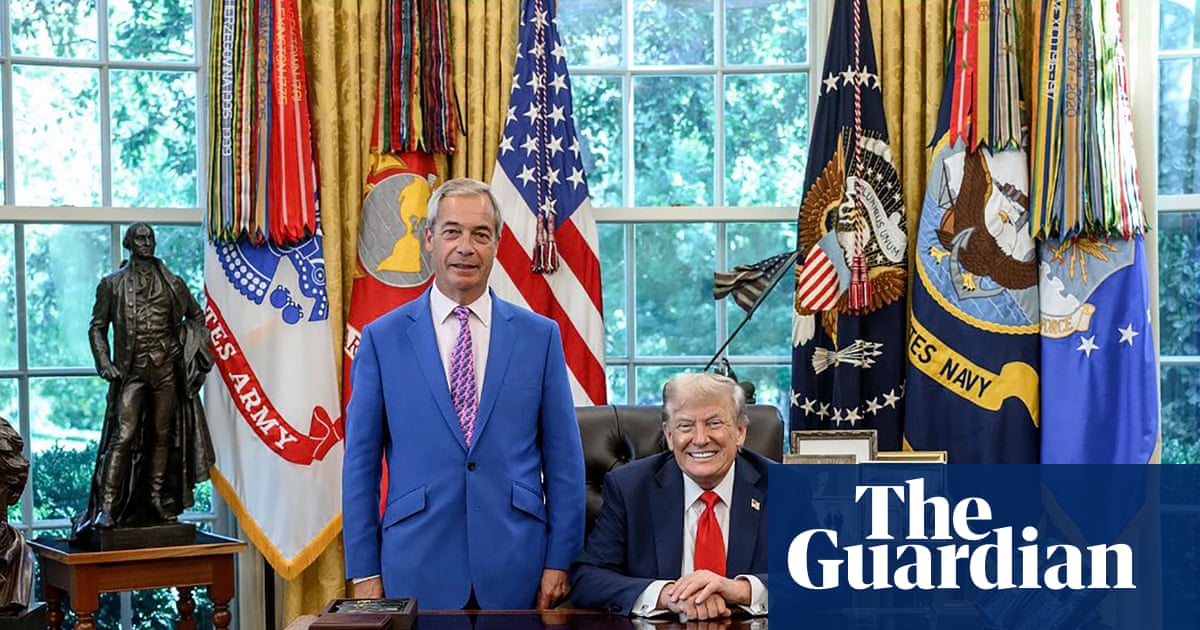
Donald Trump recently published financial disclosure reveals he earned over $2 billion in the first year of his second presidential term, a sum largely propelled by his cryptocurrency ventures and a diverse portfolio of Trump-branded businesses like hotels and golf courses. This unprecedented windfall for a sitting Western leader has ignited a fierce debate among experts and across the globe, who warn it signifies a dangerous breakdown in democratic ethical codes and a worrying rise of 'political grifters' who openly monetize public office. The astonishing scale of Trump's self-enrichment, far exceeding any modern predecessor, is setting a new, controversial benchmark, with some comparing it to leaders in less transparent regimes. Critics point to the opaque nature of cryptocurrency deals, citing a contentious arrangement involving a Trump crypto company, the UAE, and a convicted crypto figure who later received a pardon, reportedly facilitating access to powerful American AI chips for the UAE. This pattern is not isolated, with similar concerns emerging around figures like the UK's Nigel Farage and Australia's Pauline Hanson, who are also facing scrutiny over undeclared crypto-related gifts and business dealings, suggesting a broader trend of leaders exploiting their positions for private gain while voters appear increasingly willing to overlook such behavior. The unfolding situation casts a long shadow over the integrity of Western democracies, raising urgent questions about weak federal ethics laws that often exempt presidents from the stringent rules applied to other officials. Experts from organizations like Issue One and the Brennan Center for Justice are actively calling for significant reforms to strengthen oversight and prevent future instances of presidential profiteering. The erosion of public trust, fueled by the perception that political power is being transactionalized, poses a profound challenge to traditional checks and balances, demanding a collective resolve to safeguard democratic institutions for future generations.