Trump's $5,000 Dividend Faces Fiscal, Legal Hurdles Amid Fetterman's GOP Flirtation
Context mode is active. Hover over any highlighted term to see its definition. Click a nested term to go deeper.
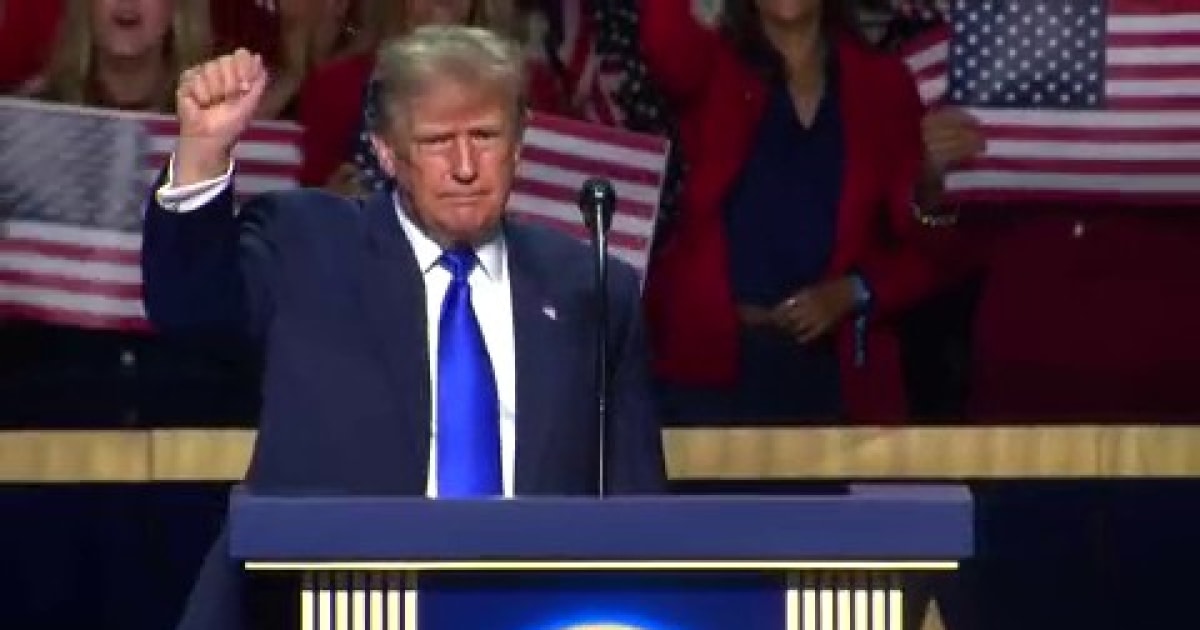
President Donald Trump's recent proposal to grant every American adult a $5,000 'Trump dividend' if Republicans win control of Congress in the November 2026 midterm elections has ignited a firestorm of debate, raising serious questions about its legality and financial viability. This bold promise, made at the Republican midterm convention in Dallas, comes as Democratic Senator John Fetterman made a surprising video appearance at the same event, further fueling speculation about his increasingly complex relationship with his own party. The dual developments highlight the high stakes and unusual dynamics shaping the upcoming elections. The 'Trump dividend' faces immediate scrutiny, with financial experts warning the estimated $1 trillion-plus cost could significantly worsen the U.S. national debt, which already sits above $40 trillion, and potentially trigger higher inflation. While Trump suggested funding through 'tremendous economic success' and tariffs, critics point out that current tariff revenues fall far short of such an outlay, making congressional approval essential and fiscally challenging. Meanwhile, Senator Fetterman's appearance, where he praised Republican Senator Dave McCormick and vowed to work with Trump, has intensified concerns among Democrats that he might switch parties, a move that could significantly alter the narrow balance of power in the U.S. Senate. As the November midterms draw closer, the feasibility of Trump's massive payout and the political ramifications of Fetterman's maverick stance will be keenly watched. The proposed dividend's legality is also under review, with some legal experts debating whether it constitutes an unlawful attempt to influence voting or simply a campaign promise, potentially violating federal voter inducement laws. Regardless of Fetterman's repeated denials of a party switch, his actions create uncertainty that could impact Democratic efforts to secure a Senate majority, leaving both economic policy and political alignments in flux.