Trump's Global Deportation Push Intensifies, Raising Urgent Human Rights Concerns
Context mode is active. Hover over any highlighted term to see its definition. Click a nested term to go deeper.
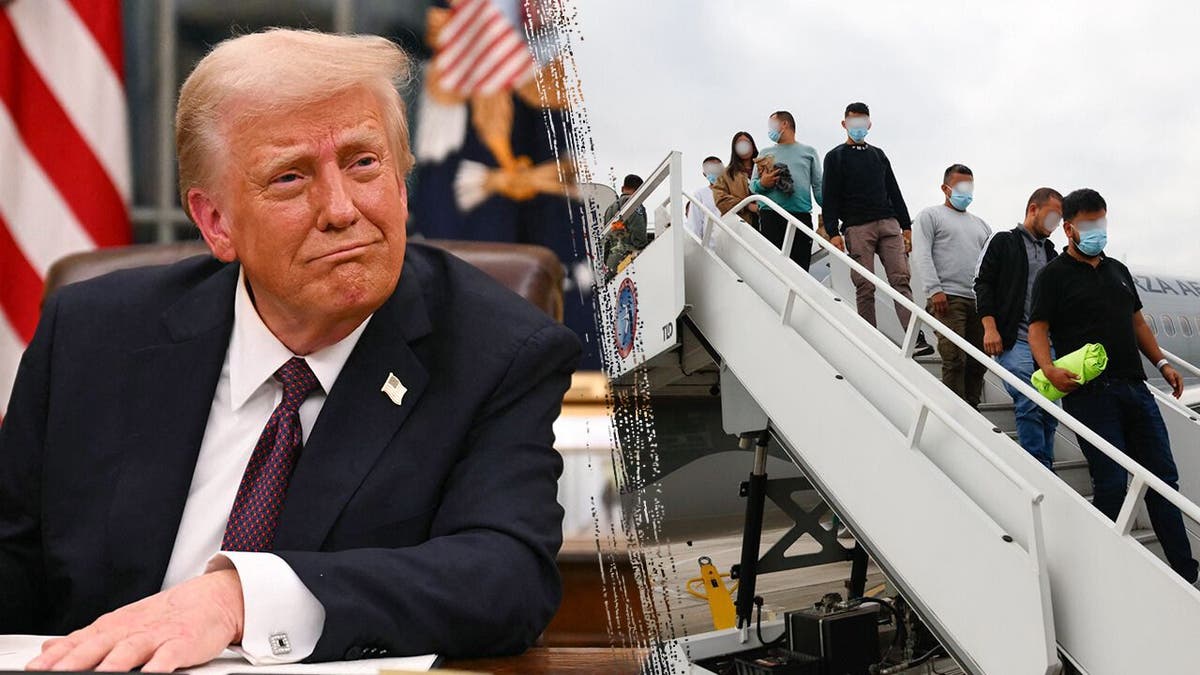
Trump's second administration has dramatically intensified its 'third-country deportation' agenda, rapidly expanding the number of immigrants sent to nations they have no ties to. Since January 2025, over 21,000 individuals have been removed to more than 30 countries worldwide, often bypassing standard asylum processes and raising severe human rights alarms. This aggressive push, outlined in a January 2025 Executive Order, includes new and reinstated 'Safe Third Country Agreements' that are reshaping global migration flows. This policy leverages the Immigration and Nationality Act to send people to 'willing' third countries when return to their home nation is deemed 'impracticable'. While Mexico has received the vast majority of these deportees, nations across Central America, Africa, and Europe, including Rwanda, Eswatini, and Poland, are now part of this expanding network, sometimes in exchange for U.S. financial aid. Critics, including human rights organizations, warn that many deportees face arbitrary detention, lack of legal protections, and a high risk of 'non-refoulement' back to dangerous conditions. Ongoing legal battles have seen courts challenge the policy's legality, though the Supreme Court temporarily allowed removals to continue in June 2025. The immediate future will see this policy tested further, with recent surges in deportation flights, like those to Haiti in late August 2026 overwhelming local reception capacities. As the U.S. State Department continues to pursue new agreements, the global ripple effects are already apparent, with other nations adopting similar restrictive immigration tactics, making this a critical period for international human rights and migration policy. Observers will be watching for the outcome of ongoing appeals and how the administration balances its border security goals against international human rights obligations.