Trump's Hormuz Toll Jolts Global Oil Markets, Sparks India's Trade Fears
Context mode is active. Hover over any highlighted term to see its definition. Click a nested term to go deeper.
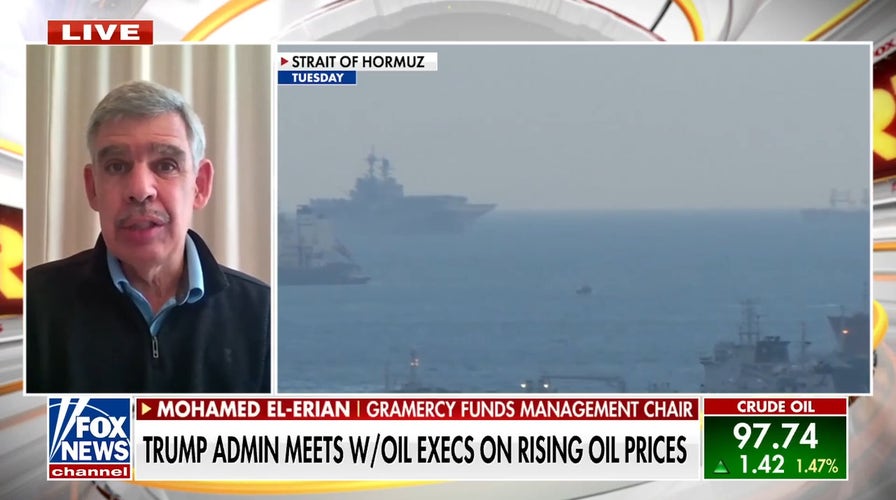
In a bombshell move, former US President Donald Trump announced on Monday the reinstatement of a naval blockade on Iranian ports and an unprecedented 20% cargo levy on all non-Iranian shipping passing through the critical Strait of Hormuz. Framing the charge as compensation for American forces securing the route amidst escalating US-Iran hostilities, the declaration immediately sent shivers through global energy markets, with Brent crude prices jumping more than 4% to nearly $82 a barrel. This aggressive stance, following renewed missile and drone attacks between the US and Iran and the breakdown of a fragile ceasefire, directly impacts major energy importers like India. Over 40% of India's crude oil, 60% of its LNG, and a staggering 90% of its LPG imports traverse the Strait of Hormuz. Analysts warn that this 20% levy, on top of already heightened war-risk insurance premiums and freight charges, could add billions to India's annual oil bill, exacerbate its current account deficit, and further fuel domestic inflation, severely challenging the nation's energy security and economic stability. The proposal has sparked widespread alarm, with the shipping industry expressing skepticism about its implementation and the International Maritime Organization (IMO) opposing mandatory transit fees on international waterways. While Iran Foreign Minister Abbas Araghchi dismissed US authority, he also hinted that 'fair' compensation for securing the strait might be considered, though Trump's 20% is deemed 'too much'. The coming days will reveal whether this policy can be legally enforced and how it reshapes the perilous geopolitics and economics of the world's most vital oil chokepoint.