Trump's Sudden Halt to Korea Drills Jolts Allies, Fuels Broader Asia Security Fears
Context mode is active. Hover over any highlighted term to see its definition. Click a nested term to go deeper.
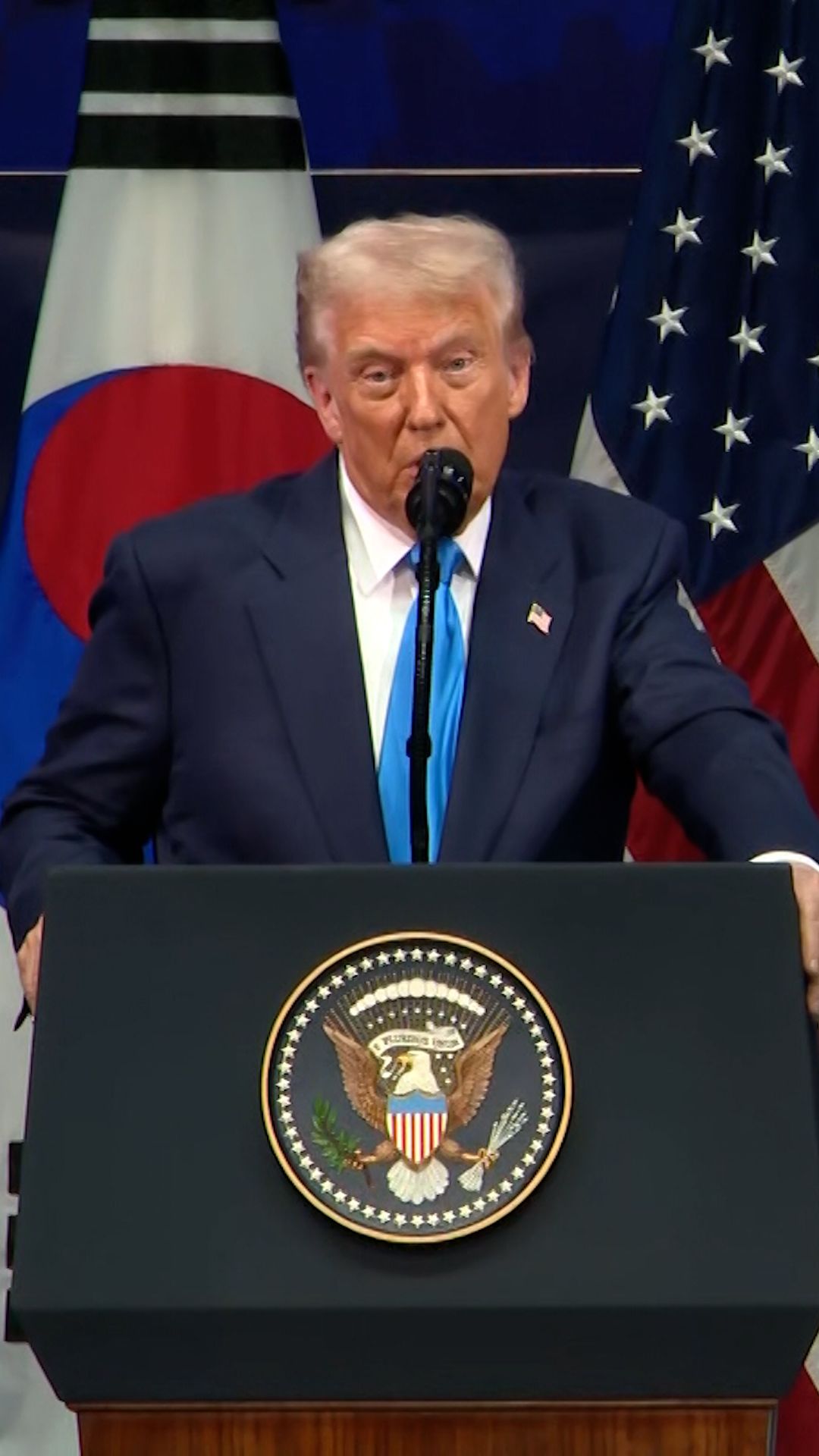
U.S. President Donald Trump has abruptly ordered a 'substantial reduction' in the ongoing Ulchi Freedom Shield 2026 joint military exercises with South Korea, a move that has left Seoul baffled and ignited deep concerns among allies about America's commitment to regional security. The surprising directive, posted by Trump on Truth Social just as the drills began this week, cites the high costs of the exercises and his 'very good relationship' with North Korean leader Kim Jong Un, alongside an unrelated grievance about South Korea refusal to join U.S. efforts against Iran's nuclear program. This decision immediately complicates regional stability, offering a potential strategic win for Pyongyang and Beijing. The sudden curtailment of these crucial drills, designed to deter North Korean aggression, comes as South Korean President Lee Jae Myung is actively pushing for greater independent defense capabilities, including speeding up the transfer of Wartime Operational Control (OPCON) from the U.S.. Critics argue that Trump's transactional 'America First' approach risks undermining decades of alliance building, emboldening North Korea, which has continued its ballistic missile tests, and potentially ceding influence to China in the fiercely contested Indo-Pacific region. The current U.S. National Defense Strategy (NDS), set forth by Trump's administration, already emphasizes homeland defense and pressures allies to shoulder more security burdens. As the Ulchi Freedom Shield exercises continue, albeit under uncertain reduced terms, the ripple effects are expected to be far-reaching. South Korea push for military self-reliance will likely intensify, potentially altering the dynamics of the alliance for years to come. Allies across Asia will be closely watching for signs of how the U.S. intends to balance its 'peace through strength' doctrine with its alliance commitments, especially as China seeks to expand its influence over the Korean Peninsula. The unpredictability of such high-stakes decisions leaves the region on edge, demanding clear communication and coordinated strategy to prevent unintended escalations.