Trump's Unprecedented Yen Rescue: Why Washington Fears Japan's Debt Contagion
Context mode is active. Hover over any highlighted term to see its definition. Click a nested term to go deeper.
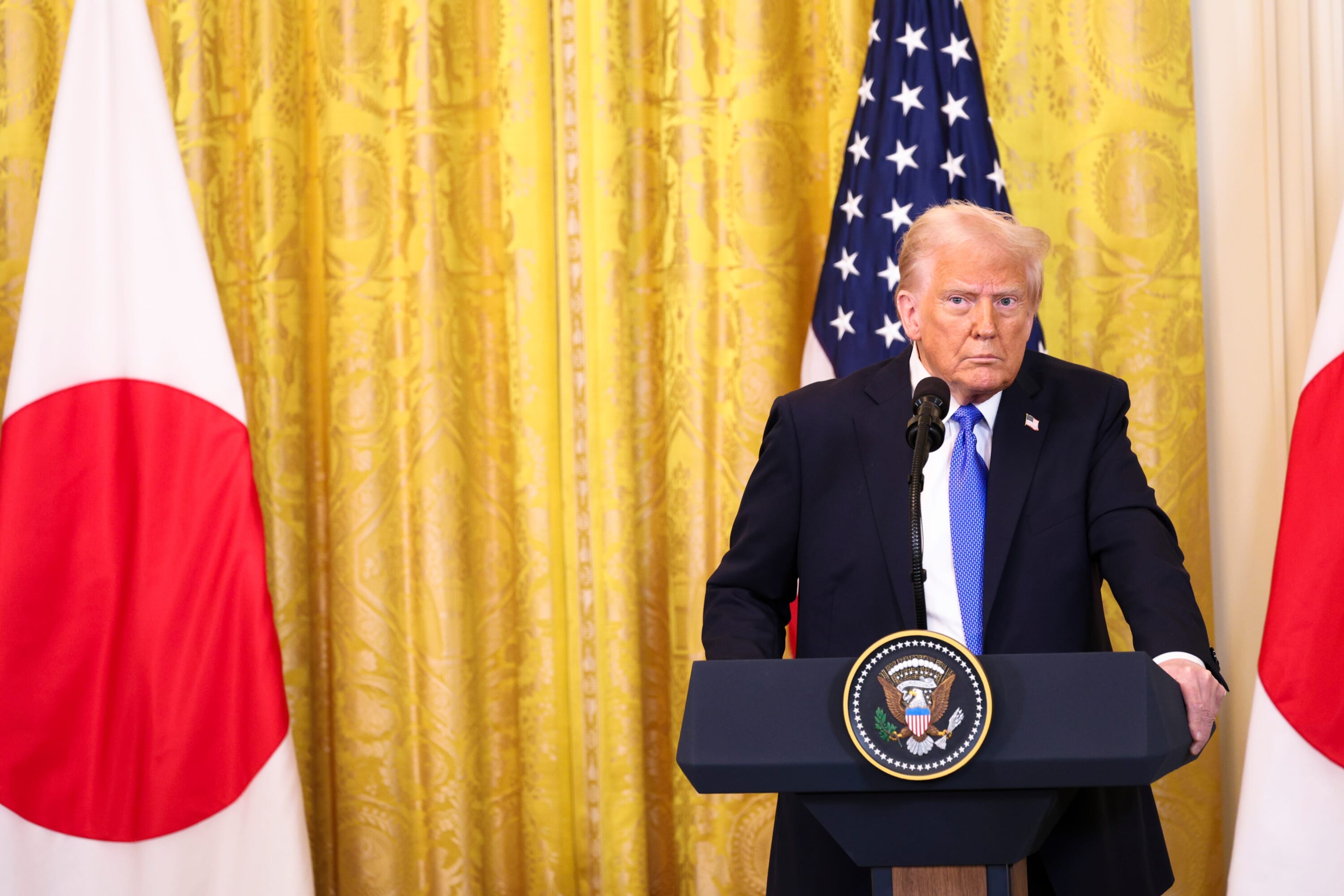
In a truly unusual move, the United States Treasury, under the Trump administration, joined Japan in a coordinated effort on July 31, 2026, to buy yen and strengthen the struggling Japanese currency. This marks the first US intervention to support the yen since 1998, with Treasury Secretary Scott Bessent openly stating it was a nod to 'America's trusted partners' and President Trump adding that the US is 'always there for Japan'. But experts suggest the US had its own significant worries, particularly about Japan's massive debt and the potential ripple effects on global financial stability. The immediate trigger for this rare intervention was the yen's slide to multi-decade lows, at one point touching past 162 yen per dollar in July 2026. This weakness is largely fueled by a huge difference in interest rates between Japan and the US, creating what's called a Yen Carry Trade where investors borrow cheap yen to invest elsewhere. According to Robin Brooks of the Brookings Institution, Japan is caught in a 'debt crisis' where the Bank of Japan is forced to keep buying Government Bonds to prevent yields from skyrocketing. Brooks warns this artificial capping of yields pushes markets away from Japan, worsening the yen's depreciation and posing a direct threat to the stability of US Treasury Bonds, which Japan holds in massive amounts. While the coordinated intervention offered a temporary bump to the yen, experts like Brooks are skeptical it will fix Japan's deep-rooted issues without fundamental policy shifts. The Bank of Japan is now facing pressure for further Interest Rate Differential hikes, with a September increase being closely watched by markets. To ease concerns about Japan selling off US Treasury Bonds to fund future interventions, Treasury Secretary Bessent has advocated expanding the Foreign and International Monetary Authorities (FIMA) repurchase facility. The coming months will show if Japan can truly address its fiscal challenges, or if global markets will continue to feel the tremors of its 'quiet implosion'.