Tuberculosis may spread before people realize they are sick, a new study warns
Context mode is active. Hover over any highlighted term to see its definition. Click a nested term to go deeper.
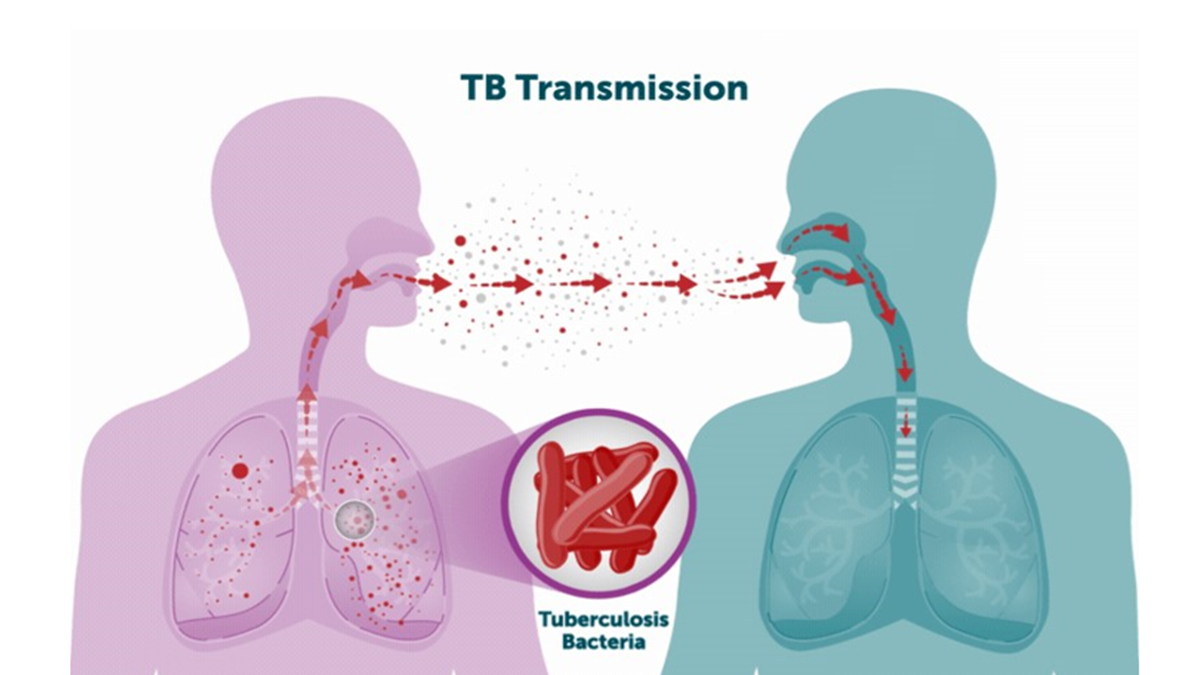
A groundbreaking study published in Nature Communications on June 5, 2026, has upended long-held assumptions about tuberculosis transmission, revealing that asymptomatic individuals are significant drivers of its spread. Researchers Chen, Hu, and Horsburgh found that between 25.0% and 51.3% of new Mycobacterium tuberculosis (Mtb) infections in eastern China originated from patients showing no overt symptoms. This finding directly challenges traditional public health strategies that primarily focus on symptomatic, coughing individuals as the main source of contagion. The implications are profound for global TB control, especially as the World Health Organization continues its ambitious 'End TB Strategy' to eradicate the disease by 2030. Historically, efforts have relied heavily on symptom-based screening and passive case detection, overlooking a vast reservoir of silent spreaders who feel fine but are infectious. With an estimated 10.7 million people developing TB in 2024 and 1.23 million deaths, this new understanding necessitates a radical shift in how countries like India, Indonesia, and China—which bear the brunt of the global TB burden—approach detection and prevention. The study underscores an urgent need to pivot towards more proactive, symptom-agnostic screening methods, including widespread use of molecular diagnostics and Chest X-rays in high-risk communities. The WHO, recognizing these emerging scientific advances, recently endorsed developing a post-2030 TB strategy, emphasizing innovations in diagnostic tools and robust health systems to reach hidden cases. This fundamental re-evaluation of transmission dynamics means that future efforts to break the chain of TB will hinge on finding those who don't know they are sick, demanding sustained political will and significant investment in active case finding.