Two phones and an app: How Russians skirt Putin's digital iron curtain
Context mode is active. Hover over any highlighted term to see its definition. Click a nested term to go deeper.
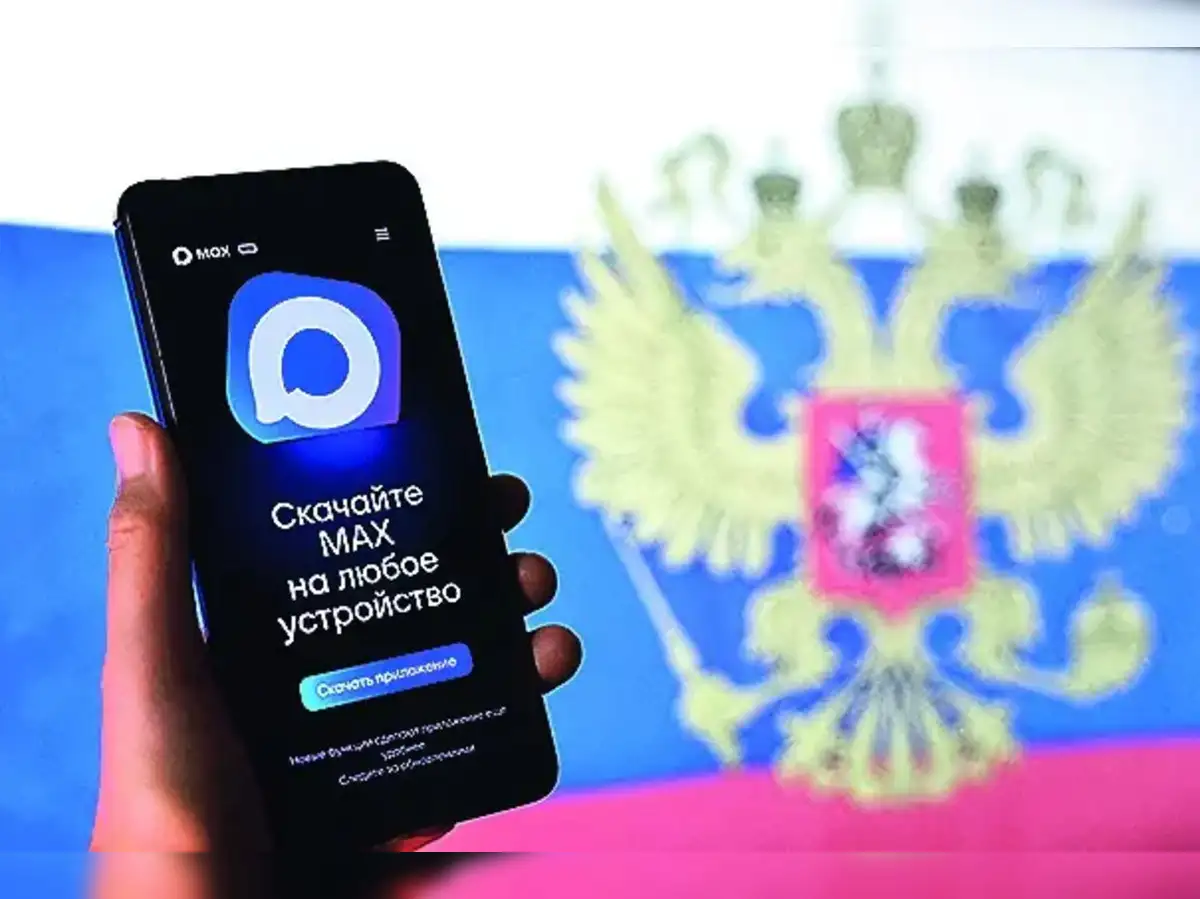
Russians are increasingly adopting sophisticated, multi-device strategies to bypass the Kremlin intensifying digital controls, including using two phones – one for state-sanctioned apps and another for encrypted foreign messengers. This comes as mobile internet shutdowns have hit major cities like Moscow since March 2026, WhatsApp was blocked nationwide in February, and Telegram has faced widespread throttling, driving citizens to increasingly convoluted technical solutions to maintain access to independent information and international communication. The aggressive crackdown, deemed the largest under President Vladimir Putin, follows Roskomnadzor gaining near-unlimited power from March 1, 2026, to disconnect the internet and block websites without court orders, operating under the 2019 Sovereign Internet Law. These measures, justified by security concerns against Ukrainian drone attacks and "extremist" content, have nevertheless disrupted vital services like banking and e-commerce, creating significant public frustration ahead of the September 2026 parliamentary elections. The state's push for its surveillance-laden MAX app, which Apple removed from its App Store in June 2026 citing sanctions compliance, reflects a broader shift towards a restrictive 'whitelist' internet model. The digital cat-and-mouse game is escalating, with Russian developers being offered a controversial "state VPN" by Roskomnadzor to access essential foreign tools, a proposition met with deep skepticism. This ongoing struggle highlights the Kremlin resolve to establish a 'sovereign Runet' and further fragment the global internet. Observers are watching for how public discontent over these digital curbs, alongside war fatigue and economic pressures, might influence the upcoming elections and the long-term viability of Russia's isolated digital future.