U.S., Iran confirm deal signed to end West Asia war
Context mode is active. Hover over any highlighted term to see its definition. Click a nested term to go deeper.
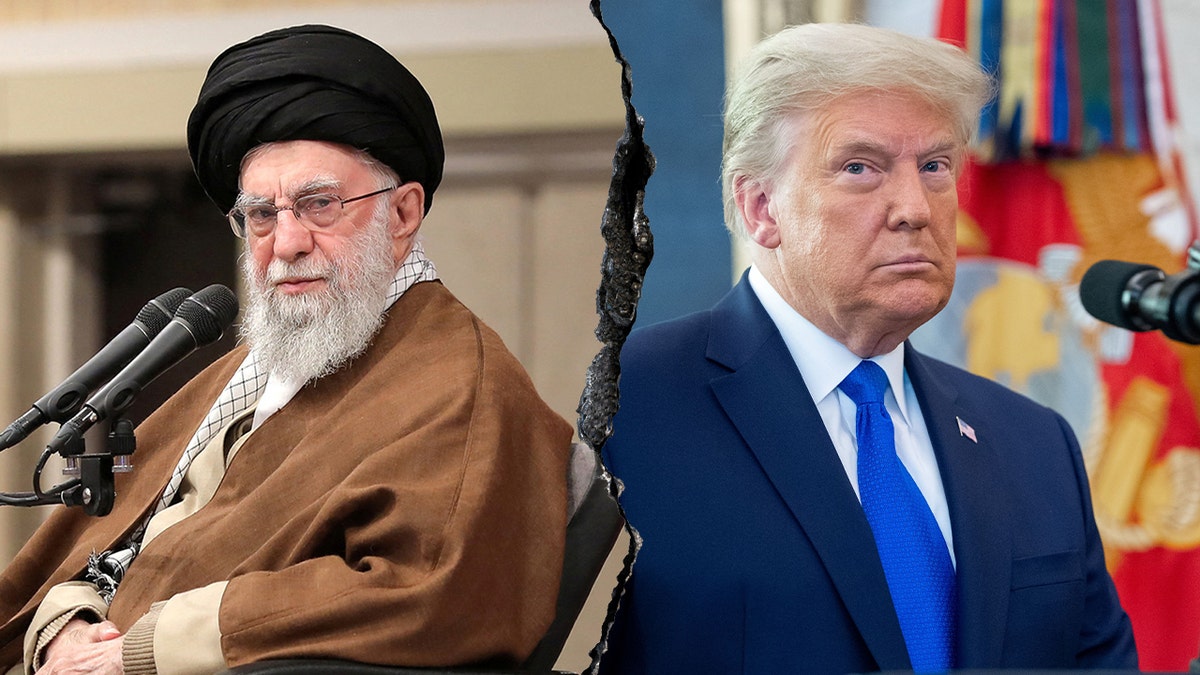
In a dramatic geopolitical shift, the United States and Iran have confirmed the signing of a preliminary Memorandum of Understanding (MoU) to halt the 110-day 'West Asia War,' a breakthrough announced during the G7 summit in Évian-les-Bains, France. The deal, inked by U.S. President Donald Trump and Iranian President Masoud Pezeshkian on June 17, 2026, immediately stops military operations on all fronts, including in Lebanon, and grants Iran waivers for crude oil exports, triggering an immediate fall in global oil prices. This interim agreement sets the stage for intensive follow-up negotiations to finalize a comprehensive peace settlement. The costly conflict, sparked by U.S.-Israeli strikes on Iran in February 2026, had rattled the global economy and plunged West Asia into deep instability, fueled by disruptions to the critical Strait of Hormuz and extensive involvement of Iran regional proxies. While the MoU promises sanctions relief and outlines a potential $300 billion reconstruction fund for Iran, critics, particularly Israel—which was not party to the talks—express significant reservations, especially concerning Iran nuclear program and its continued support for groups like Hezbollah. The agreement mandates Iran to down-blend its enriched uranium under International Atomic Energy Agency supervision, yet leaves crucial questions regarding the long-term scope of its nuclear ambitions and missile capabilities unanswered for the final negotiations. With immediate effect, Iranian oil exports resume, and the Strait of Hormuz is slated for full reopening within 30 days, alleviating immediate energy supply concerns. However, the real test begins with a 60-day negotiation period, starting with initial talks in Switzerland on June 19, aimed at securing a binding final agreement. The fragile nature of the MoU means either side can withdraw, and the effectiveness of the ceasefire remains precarious, particularly given the ongoing clashes between Israel and Hezbollah. All eyes are on whether this diplomatic gambit can transition a temporary truce into enduring regional stability, or if it merely defers more profound confrontations.