U.S. launches fresh wave of strikes against Iran, straining truce - Wed, 10 Jun 2026 PST
Context mode is active. Hover over any highlighted term to see its definition. Click a nested term to go deeper.
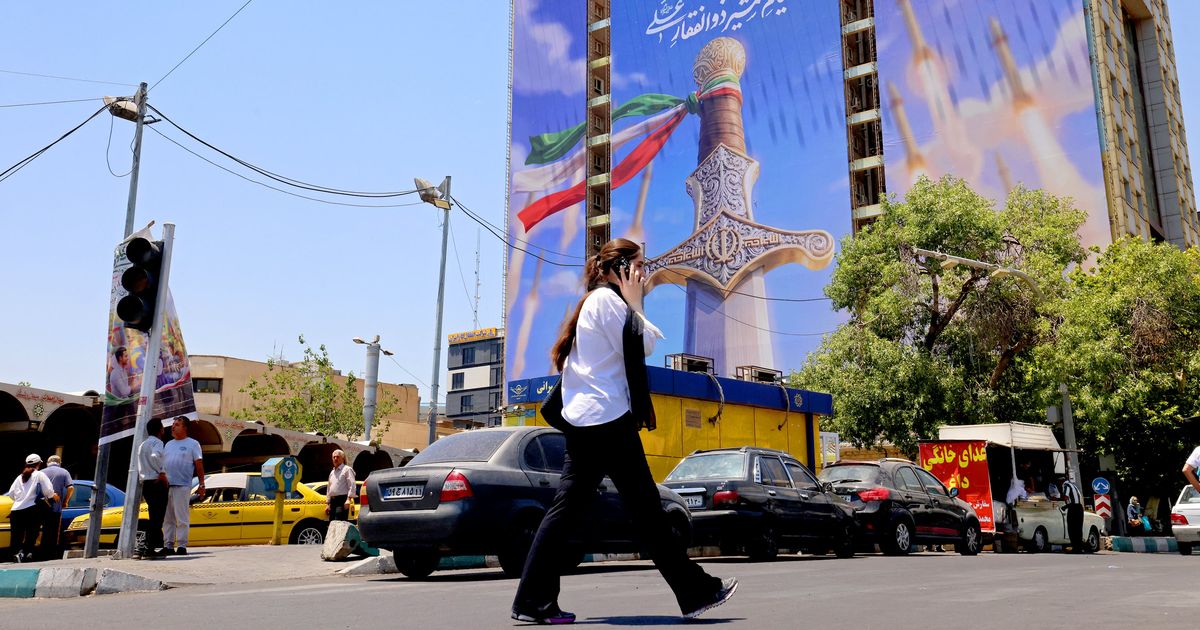
The United States escalated its military campaign against Iran on Wednesday, launching a fresh wave of strikes for the second consecutive day in retaliation for the downing of a U.S. Apache helicopter by an Iranian drone on June 8. President Donald Trump, accusing Tehran of deliberately protracting negotiations for an interim peace deal, publicly warned of further, harsher military action, deepening a crisis that has pushed the two nations to the brink. This latest exchange of hostilities has severely strained a two-month-old, fragile ceasefire brokered in April, which now appears 'practically meaningless' according to Iran foreign ministry. The U.S. Central Command reported targeting Iranian military surveillance, communication systems, and air defense sites, while Iran retaliated with missile and drone attacks on U.S. military installations in Jordan, Bahrain, and Kuwait. Negotiations for a more durable peace remain stalemated, with Iran demanding the lifting of sanctions and the unfreezing of billions in assets, while the U.S. insists on Tehran relinquishing its highly enriched uranium stockpile and ceasing its control of the critical Strait of Hormuz. Amidst the heightened military tensions, a Qatari delegation has reportedly arrived in Tehran in an attempt to salvage the stalled peace talks. While a memorandum of understanding to extend the ceasefire and initiate nuclear discussions has been tentatively reached, its finalization hinges on President Trump's approval and Iran leadership. The global energy market remains on edge, with oil prices influenced by Iran threats to close the Strait of Hormuz and the ongoing U.S. naval blockade, making any definitive breakthrough in the coming days critical for regional stability and international commerce.