UAE Accelerates Alternate Routes as Iran Tensions Threaten Vital Strait of Hormuz
Context mode is active. Hover over any highlighted term to see its definition. Click a nested term to go deeper.
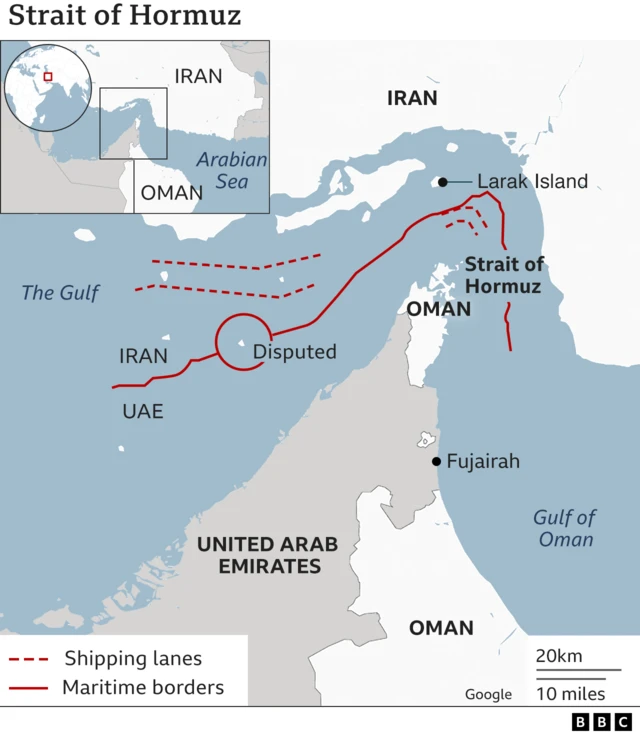
The United Arab Emirates is aggressively building new pathways for its energy and trade, a direct response to rising tensions with Iran and the ongoing disruption of the critical Strait of Hormuz. Anwar Gargash, the diplomatic adviser to UAE President Sheikh Mohamed bin Zayed Al Nahyan, stated today that the UAE refuses to let its exports be 'held hostage' by the escalating conflict, which has seen Iran launch missile and drone attacks on Gulf states and target oil tankers since early 2026. This strategic shift aims to secure the nation's economic lifelines amidst a 'war of choice' that has shattered decades of trust with Tehran. The stakes are incredibly high, as the Strait of Hormuz, a narrow choke point through which a fifth of global oil and gas typically flows, has been largely blocked by Iran since February 2026, triggering a global fuel crisis and disrupting shipping. Just this week, US forces struck Iranian oil tankers, prompting Iranian retaliation and plans for an 'exclusion zone' in the Strait, further intensifying a dangerous 'tanker war'. To counteract this, the UAE is expanding its Fujairah Port on the Gulf of Oman, accelerating a second major oil pipeline set to double bypass capacity by 2027, and developing new railways and trade corridors, significantly reducing its reliance on the volatile Strait. Looking ahead, Gargash emphasized that while practical relations with Iran might eventually be restored, rebuilding the deeply fractured trust could take decades. The UAE move to enhance self-sufficiency in security, alongside Saudi Arabia's similar bypass strategies, signals a major geopolitical realignment in the Gulf, pushing regional states to forge independent paths for economic survival. The world will be watching closely to see if these alternative routes can truly insulate global energy markets from the ongoing volatility in one of the world's most critical maritime passages.