UC San Diego's AI-Powered Quest Unlocks Hope for Rare Charcot-Marie-Tooth Disease
Context mode is active. Hover over any highlighted term to see its definition. Click a nested term to go deeper.
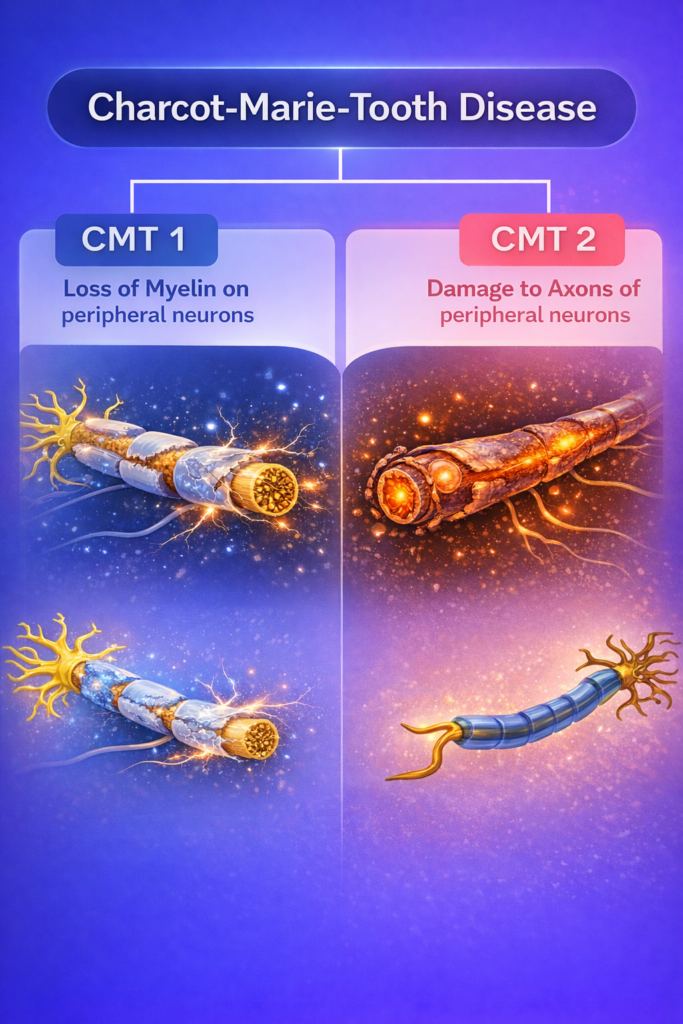
UC San Diego researchers, led by Uri Manor, are leveraging advanced technology and Artificial Intelligence to make unprecedented strides against Charcot-Marie-Tooth (CMT) disease, a debilitating genetic neurological disorder. This groundbreaking work, fueled by insights from six-year-old patient Jeremy's rapidly progressing condition, offers a new beacon of hope for therapeutic solutions where none currently exist. Manor's team is now dissecting the disease at a molecular level, aiming to halt its progression before it causes severe disability. CMT severely impacts peripheral nerves, causing progressive muscle weakness and sensory loss, often leading to significant physical disability, especially in children like Jeremy who experience early, aggressive onset. While global efforts continue, with some promising but mixed results from clinical trials for drugs like ignaseclant, the UC San Diego approach is unique. Using the Goeddel Family Technology Sandbox, Manor's lab employs AI-enhanced microscopes to analyze patient cells and pinpoint the 'fingerprint' of cellular damage, particularly focusing on how mutations in the MFN2 gene disrupt critical cellular components like mitochondria and lysosomes in CMT2A. The next critical phase for Manor's team involves screening and validating genetic medicines, such as Antisense Oligonucleotides (ASOs), to specifically target and silence the faulty MFN2 gene, aiming to reverse the cellular damage identified. Success in this area could not only lead to a validated treatment for CMT2A but also establish a reusable pipeline for accelerating therapies across other CMT subtypes. This forward momentum brings the prospect of a better, more independent future closer for young patients like Jeremy and countless others worldwide.