UK CPI inflation grows less than expected in April, PPI surges on energy bump
Context mode is active. Hover over any highlighted term to see its definition. Click a nested term to go deeper.
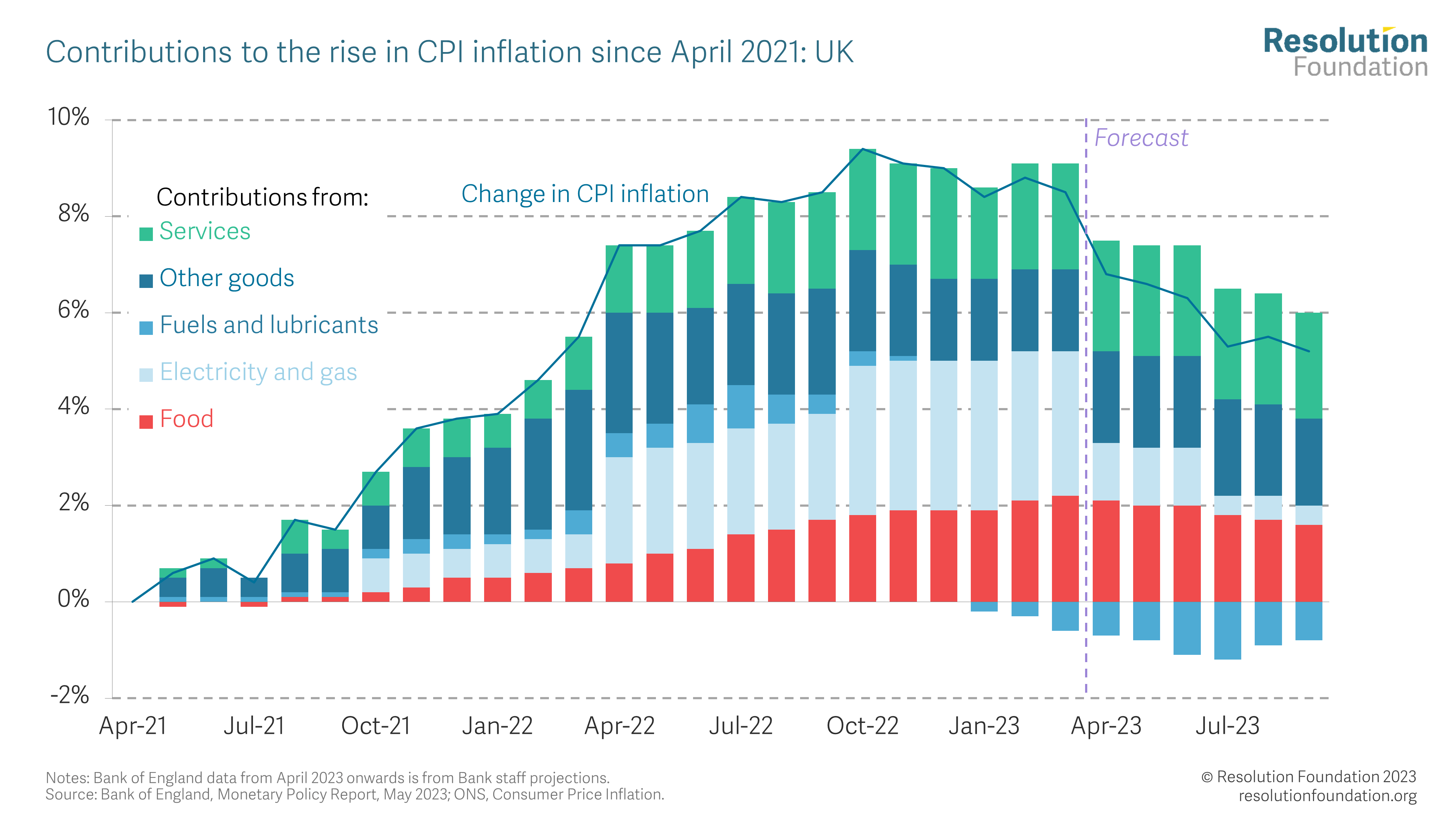
The UK's headline Consumer Price Index (CPI) inflation rate decreased to 2.3% in April, a notable drop from March's 3.2%, bringing it closer to the Bank of England 2% target but still exceeding market expectations for a larger deceleration. Simultaneously, the Producer Price Index (PPI) saw a significant surge, with input inflation rising by 5.5% year-on-year, primarily driven by a sharp rebound in energy prices, including crude oil and gas. This divergence presents a complex picture for the Monetary Policy Committee (MPC) as disinflationary trends at the consumer level are challenged by renewed cost pressures upstream. This data complicates the Bank of England calculus regarding interest rate cuts. While the headline CPI signals progress towards price stability, the stickiness in services inflation (at 5.9%) and the re-emerging supply-side shocks impacting PPI suggest underlying inflationary pressures persist. The energy bump, fueled by ongoing geopolitical tensions and OPEC+ output strategies, acts as a critical external variable, feeding into producer costs and potentially delaying the full pass-through of disinflation to consumers. For the MPC, balancing the desire to support economic growth with the imperative of anchoring inflation expectations means a 'wait-and-see' approach is likely, keeping the prospect of earlier rate cuts on a longer leash amidst a global environment still grappling with the aftershocks of prior inflationary cycles and ongoing quantitative tightening.