UK Inflation Jumps Higher Than Expected, Cementing November Bank of England Rate Hike
Context mode is active. Hover over any highlighted term to see its definition. Click a nested term to go deeper.
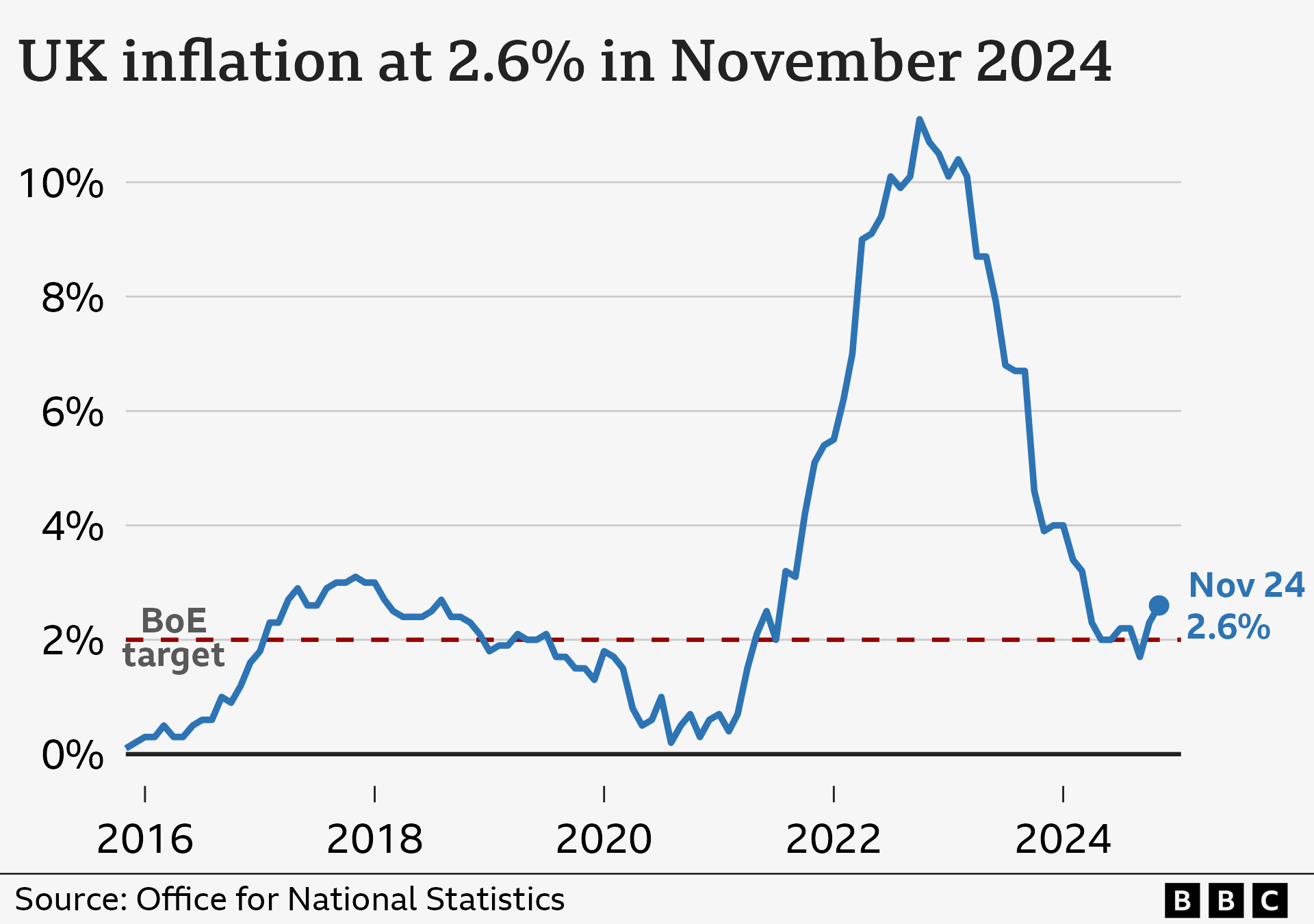
The UK's inflation unexpectedly jumped to 3.5% in September 2026, marking its highest level since October 2025 and surpassing earlier predictions of 3.4%. This hotter-than-expected report has now all but guaranteed that the Bank of England will increase its main interest rate by 25 basis points at its upcoming meeting on November 5. This latest surge in prices was largely driven by a sharp rise in fuel costs, with motor fuels soaring by nearly 30% year-on-year, pushing petrol and diesel to levels not seen in years, partly due to the ongoing US-Iran conflict affecting global oil prices. Beyond just fuel, core inflation, which ignores volatile items like food and energy, also nudged higher to 2.8%, while the cost of services continued to climb. This broader spread of price rises makes the Bank of England job tougher, as they aim to bring inflation back to their 2% target, especially after some policymakers had previously voted for a rate increase in September. All eyes are now firmly on the Bank of England decision on November 5, where a rate hike is considered a near certainty. Adding another layer of complexity, Chancellor John Healey is set to unveil the Autumn Budget on October 28, just a week before the BOE meeting, which will likely outline government plans to tackle the cost-of-living crisis. Whether this inflation spike forces the Bank's hand for further rate increases beyond November will largely depend on how energy prices behave and how future economic data unfolds.