UK Pensioners Face Tax Squeeze as State Pension Nears Tax-Free Limit Under Burnham
Context mode is active. Hover over any highlighted term to see its definition. Click a nested term to go deeper.
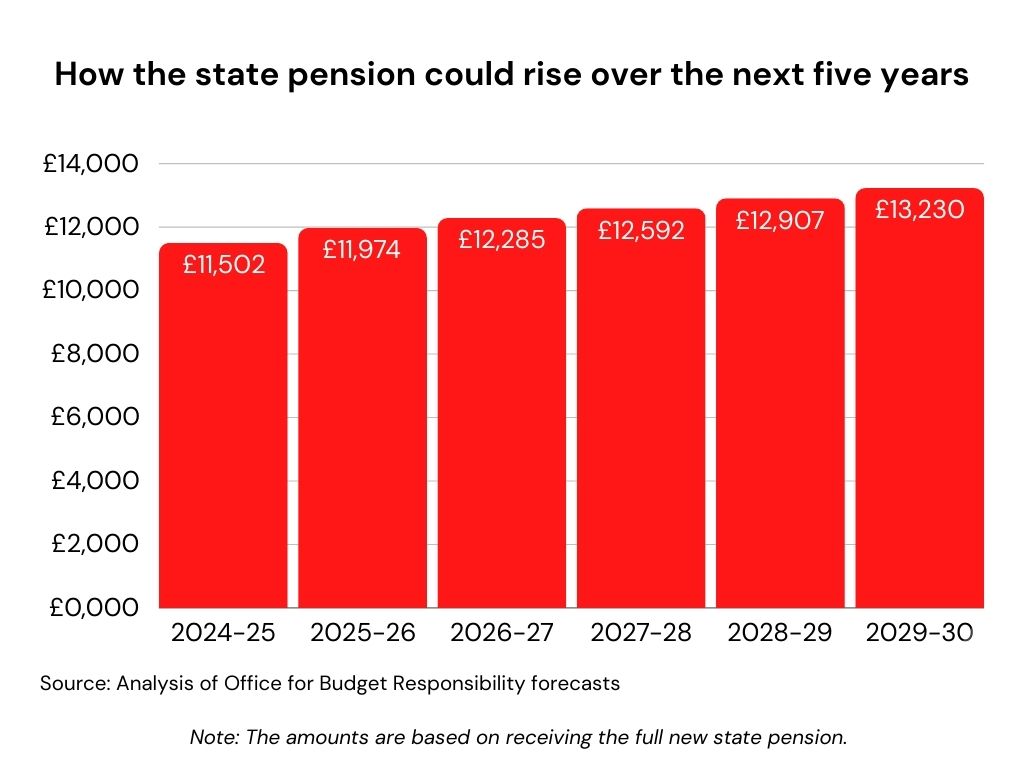
Britain's new Labour government, led by Prime Minister Andy Burnham, faces an immediate challenge as HM Treasury confirms how the state pension will be taxed, drawing a sharp line between pensioners with sole state income and those with additional earnings. With the full new state pension for 2026/27 projected to be around £12,548 annually, it now sits precariously close to the frozen £12,570 personal tax-free allowance, threatening to pull millions into paying income tax for the first time. Crucially, while the Treasury has affirmed that those relying solely on the state pension 'without any increments' will avoid income tax, this caveat leaves a significant number of older pensioners vulnerable. The looming tax burden is a direct consequence of the 'triple lock' policy, which guarantees annual state pension increases by the highest of inflation, wage growth, or 2.5%, dramatically boosting payments over recent years. Simultaneously, the personal tax-free allowance has been frozen at £12,570 since April 2021 and is set to remain at this level until at least April 2031, creating a fiscal drag that ensnares more individuals as their incomes rise. This scenario means that those who accumulated additional state pension through schemes like SERPS or AP, even if they have no other private income, could still face a tax bill, despite Andy Burnham and Chancellor John Healey commitment to protect state-only pensioners. HM Treasury indicates that 'work is underway' to detail how the tax exemption for sole state pensioners will be implemented, with further specifics expected in due course. Pensioners, particularly those with mixed income streams, should keep a close eye on the upcoming Autumn Budget on October 28, 2026, where Chancellor John Healey may unveil the precise mechanisms or further adjustments to address this growing fiscal pressure. The debate highlights the broader strain on public finances and the complex balancing act for the new Labour government as it navigates economic commitments and the rising cost of living for its oldest citizens.