UK Rent Crisis Deepens: Soaring Mortgage Rates Trap Aspiring Homeowners, Choking Supply
Context mode is active. Hover over any highlighted term to see its definition. Click a nested term to go deeper.
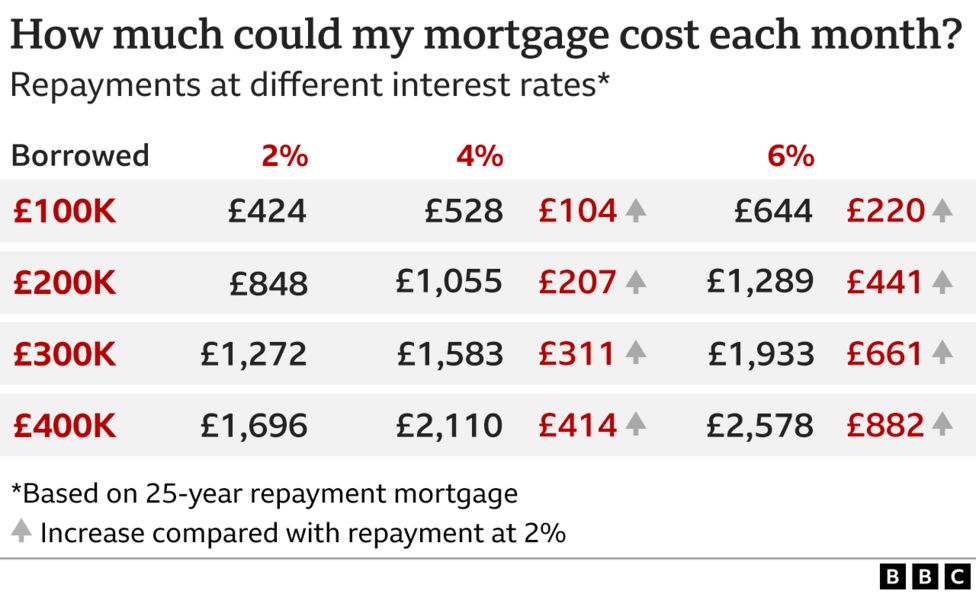
The UK's rental crisis has worsened significantly, with property supply falling for the first time in three years and average rents projected to jump by up to 5% by year-end. This crunch is largely fueled by soaring mortgage rates that are trapping aspiring homeowners in the rental market, driving up demand while new listings remain scarce. Data from property portal Zoopla reveals that rental supply dropped 3% year-on-year by July 2026, a sharp reversal from a period of recovery, making it harder for millions to find affordable housing. Rising mortgage costs are the core problem, pushing average two- and five-year fixed buy-to-let rates above 5.3% as of early September 2026, which discourages new landlord investment and keeps potential first-time buyers renting for longer. This dynamic means that despite the Bank of England holding its Base Rate at 3.75% since July, the ripple effect on homeownership dreams, especially for Gen Z, is profound. The government's Social and Affordable Homes Programme (SAHP) and the new Social Housing Bill aim to boost affordable housing, but their impact is yet to fully address the immediate supply-demand imbalance. With annual rental growth accelerating to 2.6% in July, and expected to reach 4-5% by December, the pressure on renters will only intensify. Policymakers are looking at further measures, but until there's a substantial increase in Property Supply and greater affordability for Aspiring Homeowners, the UK's rental market will remain a major hurdle in the broader Cost of Living Crisis. The next Bank of England Monetary Policy Committee meeting on September 17, 2026, will be closely watched for any shifts in outlook.