UK Sends Typhoons to Saudi Arabia as Houthi Attacks Escalate, Riyadh's 'Davos in the Desert' Postponed
Context mode is active. Hover over any highlighted term to see its definition. Click a nested term to go deeper.
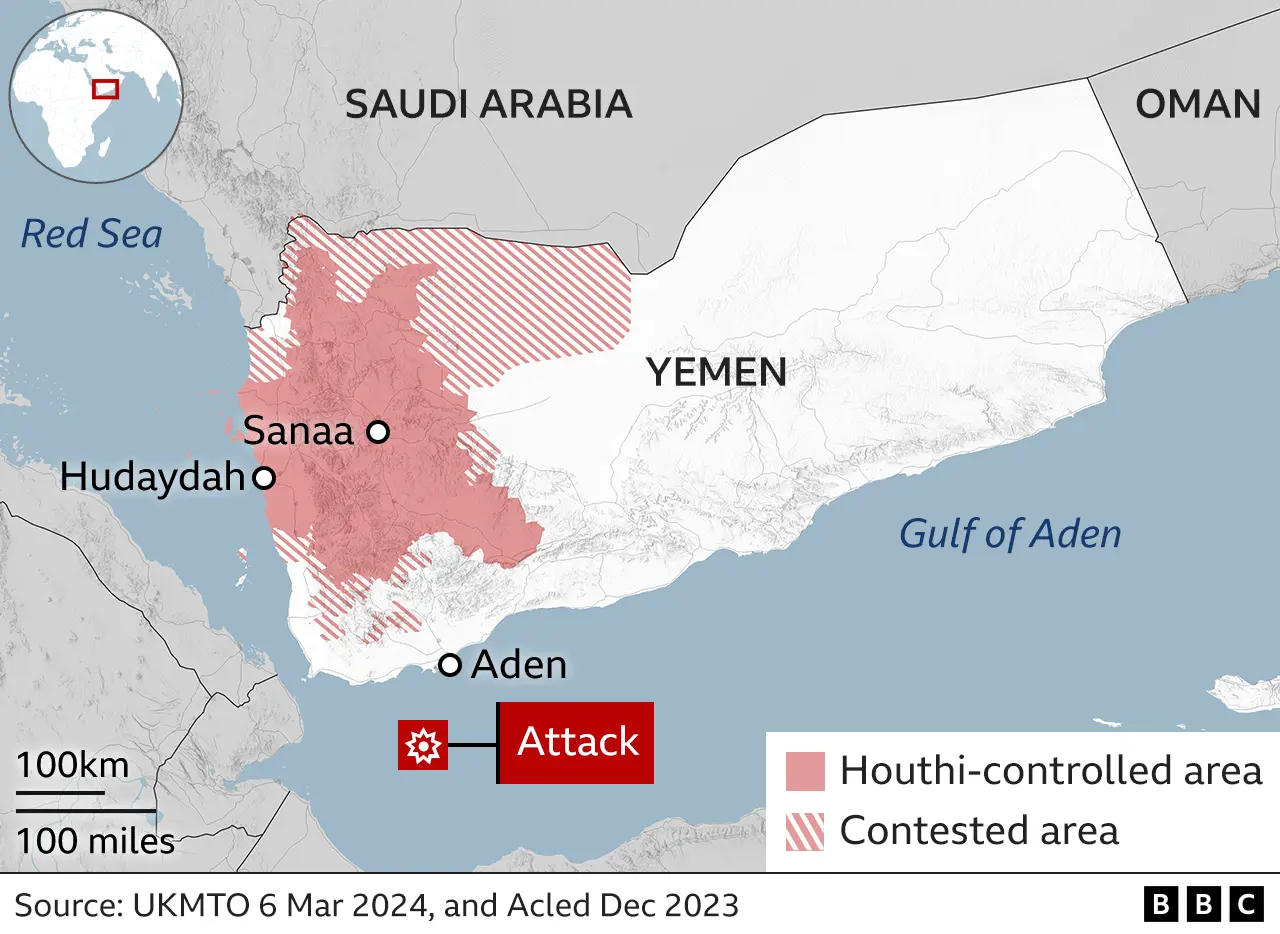
Britain is deploying Royal Air Force (RAF) Typhoon fighter jets to Saudi Arabia, a significant move to help defend the kingdom against a surge in attacks by Yemen's Houthi rebels. The UK government announced this defensive deployment on Tuesday, October 20, 2026, which was approved by Prime Minister Andy Burnham, following intensified Houthi drone and missile strikes targeting critical Saudi infrastructure, including Riyadh's international airport. This escalation has already forced Saudi Arabia to postpone its flagship 'Davos in the Desert' investment conference until 2027, highlighting the serious economic and security ripple effects across the region. The conflict in Yemen, which sees a Saudi-led coalition backing the internationally recognized government against the Iran-aligned Houthis, has dramatically worsened since a four-year truce collapsed in September. The Houthis have launched a lightning offensive, seizing key Red Sea territories, including the strategic Bab al-Mandeb strait. This renewed aggression, which Saudi Arabia and its allies, including the US, attribute to increased support from Iran Islamic Revolutionary Guard Corps, has led to a humanitarian crisis in Yemen, displacing over 250,000 people since August. The British Defense Secretary, Wes Streeting, has condemned the Houthi attacks as 'absolutely despicable'. Beyond the Typhoon deployment, which includes defensive counter-air missions and will not involve offensive strikes in Yemen, Britain is also sending an Atlas A400M military transport aircraft and additional military advisers. The UK has also extended its air-to-air refueling support for Saudi aircraft. This expanded international military assistance underscores mounting concerns over regional stability and energy security. The postponement of the Future Investment Initiative is a direct blow to Crown Prince Mohammed bin Salman Vision 2030, aimed at diversifying the Saudi economy, and signals deeper challenges for foreign investment in a volatile Middle East.