Ukraine Launches 'Largest Ever' Drone Barrage on Moscow Amid Russian Election Finale
Context mode is active. Hover over any highlighted term to see its definition. Click a nested term to go deeper.
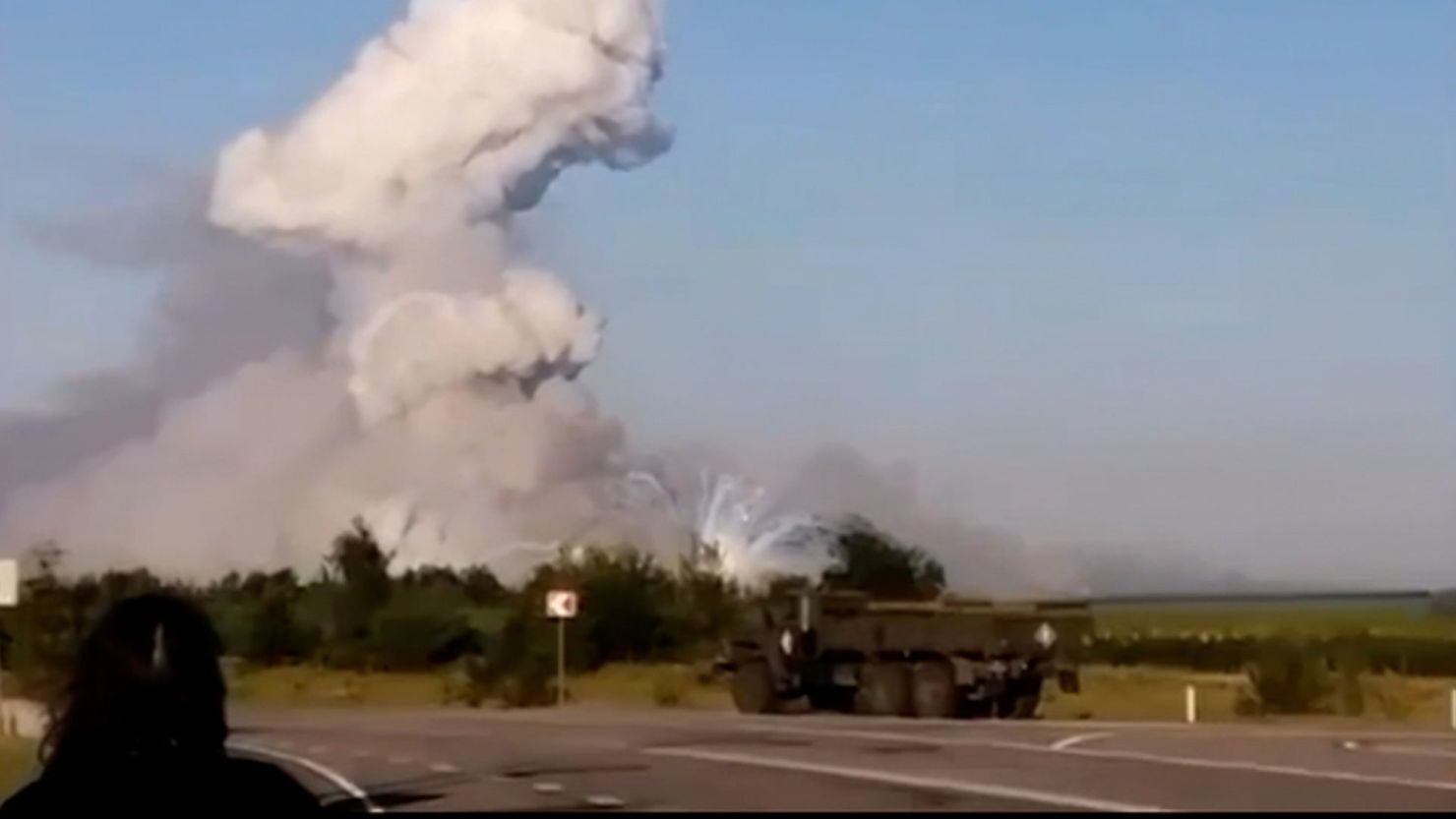
On September 20, the final day of Russia parliamentary elections, Ukraine unleashed its most extensive drone assault yet on Moscow and its surrounding regions, reportedly involving over 1,000 drones. The unprecedented barrage, which Moscow Mayor Sergei Sobyanin dubbed the 'largest ever' on the capital, left at least two people dead, twenty injured, and severely damaged the Moscow Oil Refinery and a residential building. Ukrainian President Volodymyr Zelenskyy hailed the strikes, confirming they targeted 'key oil industry facilities' and 'logistics facilities' vital to sustaining Russia ongoing war efforts. The attacks unfolded as Russians cast their ballots in tightly controlled parliamentary elections for the State Duma, the first since the full-scale invasion of Ukraine in 2022, which saw the liberal Yabloko party, a lone voice for peace, barred from participating. Early returns indicate President Vladimir Putin United Russia party is set for a dominant victory, further solidifying the Kremlin's grip on power. Kyiv's deep strike campaign, leveraging domestically produced Flamingo cruise missiles and the new Pelican winged drone, aims to cripple Russia war machine by targeting crucial energy infrastructure. Meanwhile, Russia accused Ukraine of attempting to disrupt the democratic process and claimed its electronic voting systems faced cyberattacks. In immediate response, Russia has vowed to 'intensify' its strikes on Kyiv, signalling a perilous escalation in the aerial duel that has defined recent phases of the conflict. With the election results largely predetermined and an emboldened Kremlin, the strikes underscore Ukraine's commitment to bring the war's consequences deeper into Russian territory. Observers will be watching for the scale and nature of Moscow's promised retaliation, and how this cycle of escalating long-range attacks impacts the broader geopolitical landscape.