Ukraine’s accession to EU threatens Poland’s agriculture — president
Context mode is active. Hover over any highlighted term to see its definition. Click a nested term to go deeper.
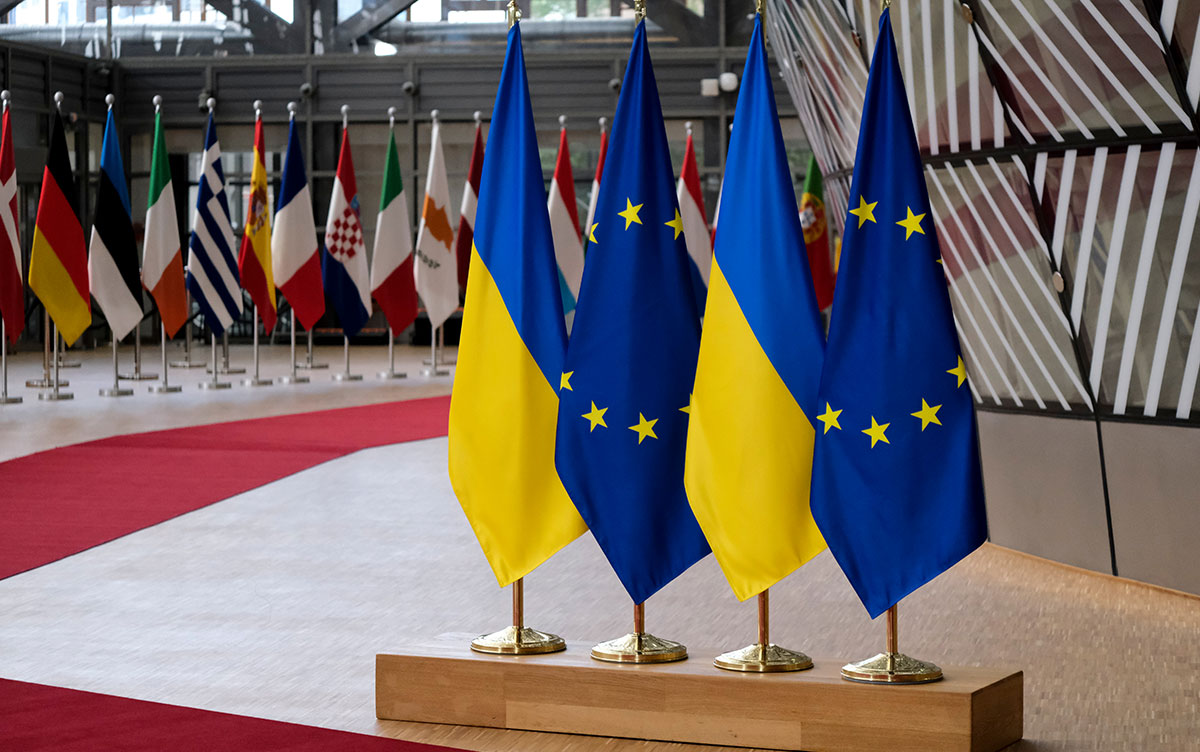
Polish President Karol Nawrocki has sharply declared that Ukraine's highly anticipated entry into the European Union poses a significant threat to Poland's agricultural sector, vowing to fiercely protect the interests of his nation's farmers. Speaking at an Agroliga event on June 19, 2026, Nawrocki highlighted how the integration of Ukraine's vast agricultural output could create unfair competition, potentially destabilizing Polish producers already grappling with existing EU policies. This forceful statement arrives amidst a critical juncture in Ukraine's EU accession journey; Kyiv formally commenced membership negotiations on June 25, 2024, and successfully completed its screening process in September 2025, with the first 'fundamentals' negotiation cluster opening around June 15, 2026. Polish farmers have previously launched protests and border blockades, citing 'excessive competition' from Ukrainian trucks and demanding greater subsidies, underscoring the deep-seated anxieties over market disruption. The challenge is amplified by Ukraine's large agroholding and fertile black soils, which allow for lower production costs compared to Poland, making the prospect of unfettered access to the EU single market a contentious issue for Warsaw and other agricultural powerhouses like France. As Ukraine pushes for an optimistic 2030 EU entry, the coming years will see intense negotiations on complex issues, particularly within the agriculture cluster, where Poland is poised to advocate vigorously for protective measures. The ongoing bilateral tensions, recently exacerbated by Ukraine's decision to name a military unit after 'Heroes of the UPA' that drew a sharp reaction from Warsaw, add another layer of complexity to these economic disputes. The EU faces the delicate task of balancing its geopolitical strategic imperative to integrate Ukraine with the pressing economic concerns of its existing member states.