Ukraine war briefing: Putin promises revenge after blaming Kyiv for Luhansk attack he says killed six
Context mode is active. Hover over any highlighted term to see its definition. Click a nested term to go deeper.
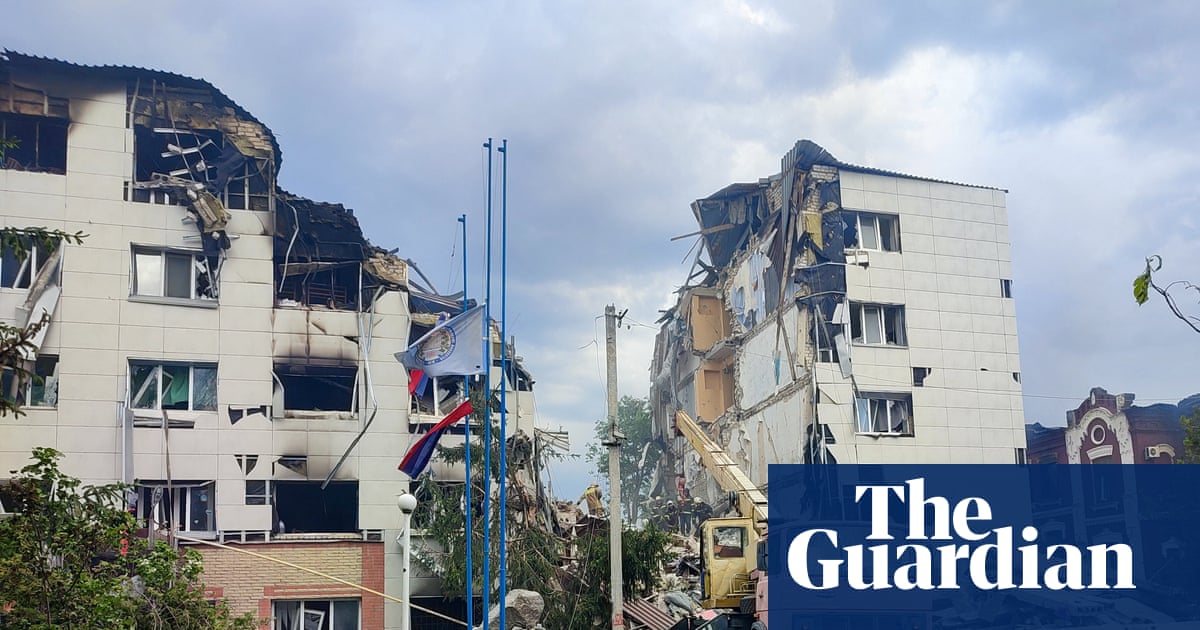
The Ukraine conflict saw intensified actions and diplomatic spats following a deadly drone attack in Russian-controlled Luhansk, specifically Starobilsk, which Russian President Vladimir Putin blamed on Kyiv, vowing retaliation. Ukraine denied hitting a dormitory, instead claiming it targeted an elite drone command unit. This incident, resulting in six reported deaths, was subsequently debated at a UN Security Council emergency meeting where Ukraine's ambassador, Melnyk Andrii, labeled Russian accusations as propaganda, asserting strikes focused on military and energy infrastructure, including an oil refinery, ammunition depots, and command centers. Concurrently, Czech President Petr Pavel urged NATO to deploy “decisive enough, potentially even asymmetric” responses to Russian provocations, suggesting cyber, financial, and air defense measures. These developments underscore a critical phase of geopolitical escalation and strategic adaptation. Ukraine's sustained deep-strike operations against Russian oil facilities, including Kirishi Refinery and those in Novorossiysk and Yaroslavl, aim to degrade Moscow's war economy, a tactic of economic warfare that reverberates through global energy markets, contributing to price volatility and inflationary pressures. The fire at the Dniprovska 750-kilovolt electrical substation, which partially disconnected a nuclear plant, highlights the critical risks to civilian infrastructure and nuclear safety, drawing IAEA concern. Amidst these tensions, US Secretary of State Marco Rubio indicated a forthcoming adjustment in US troop deployments in Europe to prioritize other strategic theaters like the Indo-Pacific, while a bipartisan group of senators pressed the Department of Defense over delays in crucial security aid to Ukraine and other Eastern European allies, signaling complex internal US dynamics impacting alliance support and global security architecture.