Ukraine's Deep Strikes Shift War Dynamics, Putin Doubles Down Amidst Setbacks
Context mode is active. Hover over any highlighted term to see its definition. Click a nested term to go deeper.
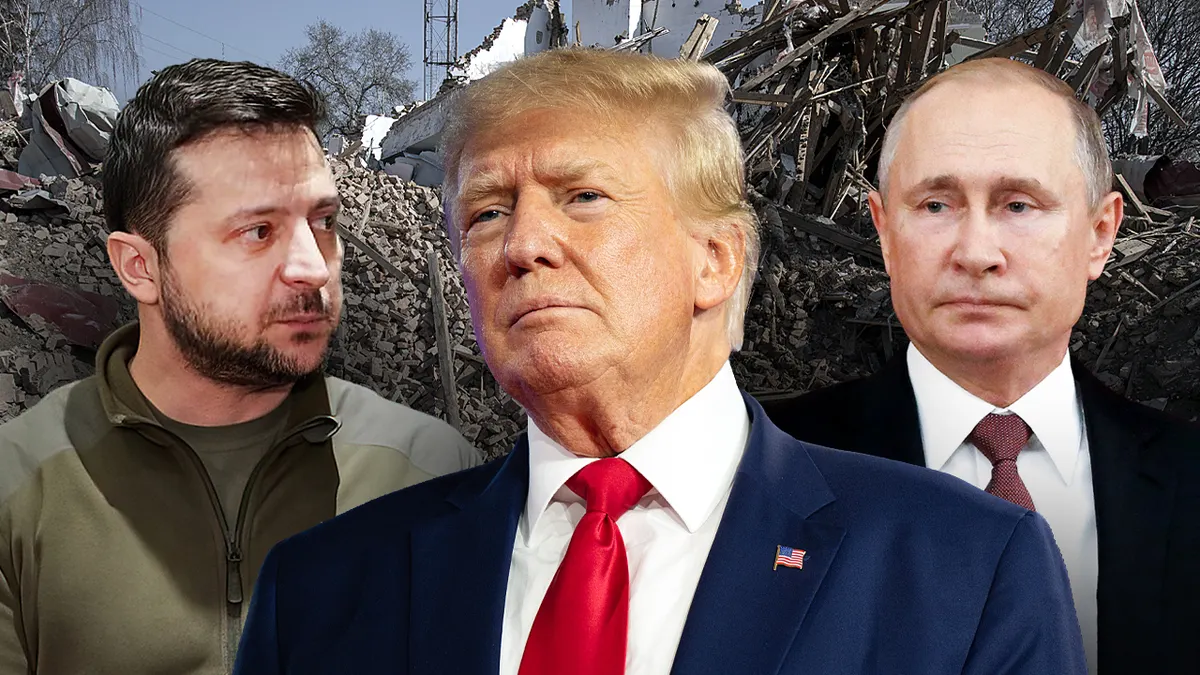
The war in Ukraine is clearly shifting, with Kyiv successfully slowing Russian advances and severely hitting Moscow's infrastructure, yet President Vladimir Putin remains unwilling to back down. Ukrainian Commander-in-Chief Oleksandr Syrskyi announced on July 10, 2026, that Russia's territorial gains have been cut by more than half in the first six months of this year, thanks to Ukraine's active defense and targeted long-range strikes deep inside Russia. These strikes have caused billions in economic damage and created fuel shortages across Russia. This marks a significant turn from Russia's initial strategy of outlasting Ukraine through a war of attrition. Despite admitting a 'tough period' due to these attacks, Putin has rejected peace talks, reaffirming his maximalist war goals and even signaling a potential escalation, including plans to expand a 'buffer zone' in eastern Ukraine. Meanwhile, Western allies at the recent NATO summit in Ankara pledged substantial long-term military aid worth EUR 140 billion and a license for Ukraine to produce Patriot missile system, though immediate air defense needs remain critical. Looking ahead, the conflict appears headed for an intensified phase, not a peaceful resolution. Ukraine will likely continue its effective deep strike campaign to further cripple Russian logistics and economy, while Moscow is expected to ramp up missile barrages on Ukrainian cities, exploiting current air defense gaps. The effectiveness of new Western aid, particularly the domestic Patriot production, will be crucial in determining Ukraine's ability to withstand Russia's intensified assaults and defend its skies in the coming months. Observers will be watching for signs of further Russian mobilization and the actual impact of NATO's pledged support on the ground.