UK's New PM Forges Saudi Military Ties, Signals Trump Reset Amid Mideast Turmoil
Context mode is active. Hover over any highlighted term to see its definition. Click a nested term to go deeper.
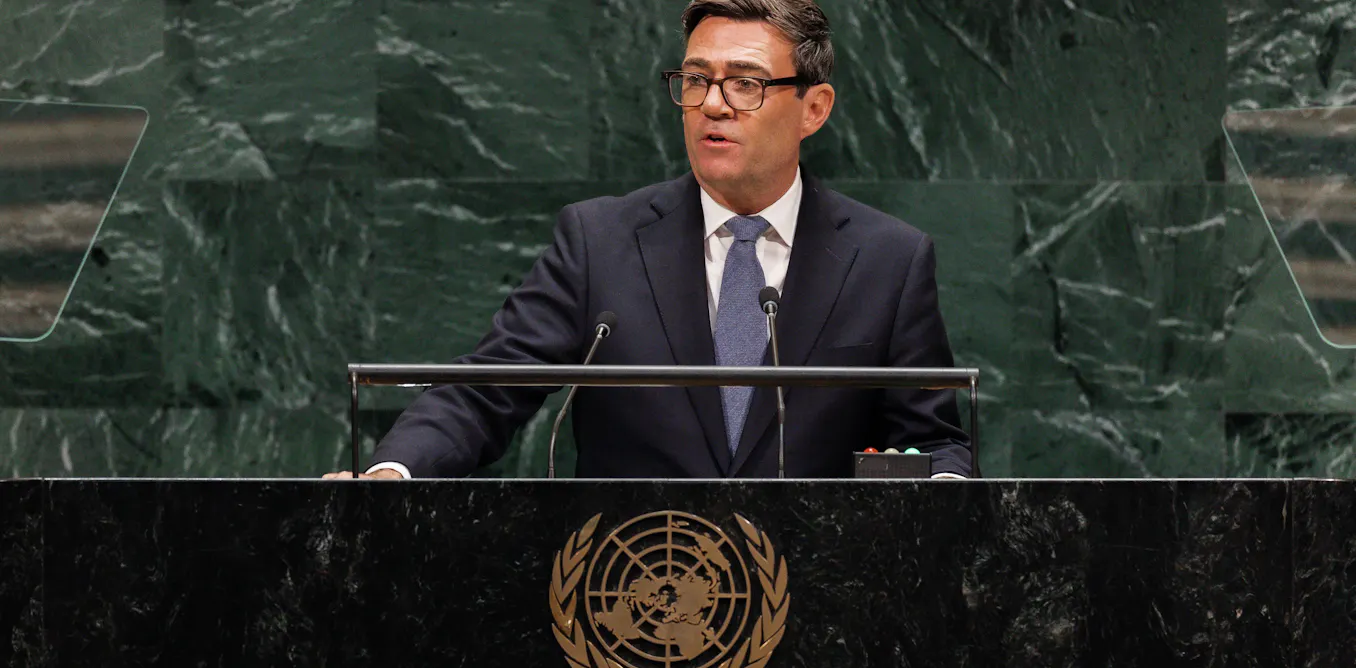
Britain's new Prime Minister, Andy Burnham, has dramatically shifted UK foreign policy by announcing 'defensive air-to-air refuelling' support for Saudi Arabia, a direct military backing aimed at countering escalating attacks from Yemen's Houthi rebels. This decisive move, coming just days before Burnham's first face-to-face meeting with former US President Donald Trump at the United Nations General Assembly, is being widely interpreted as a clear signal to Washington that the UK is actively seeking to reset its relationship with a potential future Trump administration. Analysts suggest it's a strategic play to mend ties strained by Trump's previous criticisms of European allies. This marks a notable departure from the earlier, more cautious rhetoric of the previous Starmer government, which had pledged to review or halt arms sales to Saudi Arabia due to human rights concerns in the Yemen Civil War, though Starmer himself later engaged with Riyadh for economic and defense ties. The ongoing instability in the Middle East, fueled by a wider regional power struggle and recent US-Israel attacks against Iran, has seen Houthi attacks threaten critical shipping lanes like the Bab al-Mandab Strait. Burnham's administration is framing its support as vital for protecting global energy infrastructure and easing domestic cost-of-living pressures. As Prime Minister Burnham prepares to meet Donald Trump in New York, the world will be watching to see how this renewed UK-Saudi partnership impacts the broader geopolitical landscape. The immediate focus is on whether this 'third way' approach, blending support for allies with an emphasis on economic stability, can effectively de-escalate regional tensions and rebuild a stronger 'special relationship' with the US under a potential new Trump presidency. The move underscores Britain's intent to be a more active player in the Middle East, balancing economic interests with security concerns in a volatile region.