Ultra-Processed Foods Linked to Smaller Brain Regions in Kids, Raising Alarm
Context mode is active. Hover over any highlighted term to see its definition. Click a nested term to go deeper.
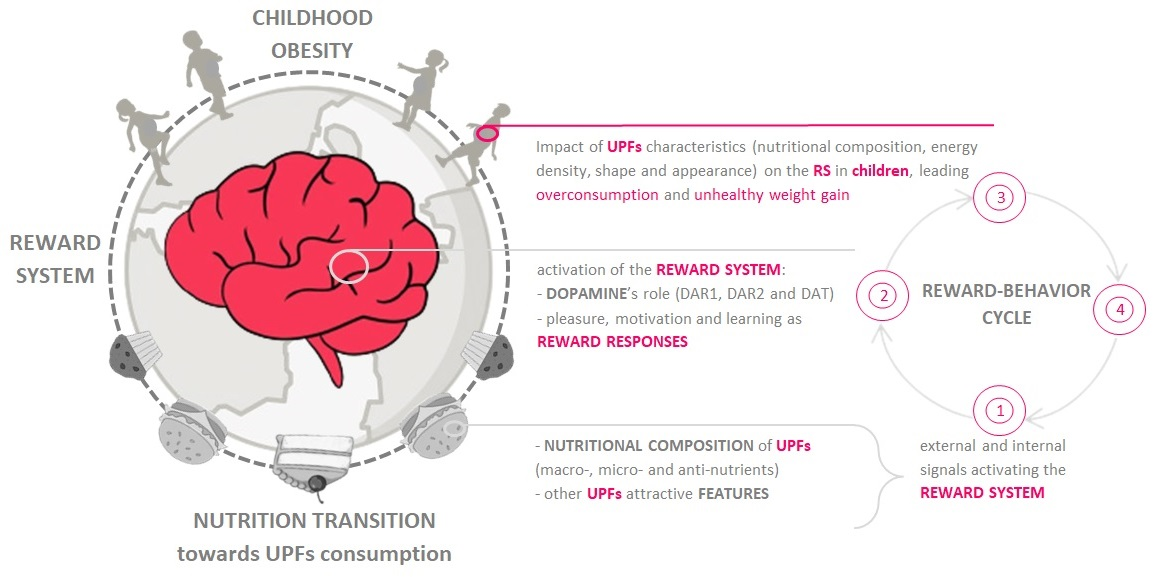
A groundbreaking new study from Children's Hospital Los Angeles reveals that young children consuming a diet high in ultra-processed foods (UPFs) show measurable differences in specific subcortical brain regions by age six, marking a critical, early impact on brain development. For every 10% increase in UPF intake, researchers observed a nearly 2% reduction in the volume of brain areas vital for reward, emotion, and motivation, even before any noticeable dip in cognitive performance. This finding hits hard, especially since over 60% of calories for kids in the U.S. now come from these industrially manufactured foods, like sugary cereals and packaged snacks. The stakes couldn't be higher: this isn't just about weight gain anymore. Recent reviews and studies consistently link high UPF consumption to a cascade of pediatric health issues, including increased risks of impaired brain development, mental health challenges like anxiety and hyperactivity, and even potential long-term risks for neurodevelopmental disorders such as ADHD and autism. These foods trigger harmful mechanisms, like chronic inflammation and disruptions to the gut microbiome, which are now understood to play a crucial role in brain health. The issue is so urgent that government bodies and health organizations, from the HHS Secretary to the American Academy of Pediatrics, are pushing for significant policy changes, including stricter regulations on food additives and clearer front-of-package labels to guide parents. Looking ahead, expect to see continued momentum on food policy. The FDA, for instance, proposed new rules in 2025 for front-of-package labels highlighting saturated fat, sodium, and added sugars, while California is already moving to phase out UPFs from school meals by 2035. Parents are being urged to reduce UPF intake early on, with the latest Dietary Guidelines for Americans recommending no added sugars for children until age ten. As research deepens into how early diet literally rewires young brains, the pressure will only intensify on both food manufacturers and policymakers to protect the next generation's health and development.