Umpire's Wide Call Overturned: Shreyas Iyer's Fury Ignites India-Japan T20I Chaos
Context mode is active. Hover over any highlighted term to see its definition. Click a nested term to go deeper.
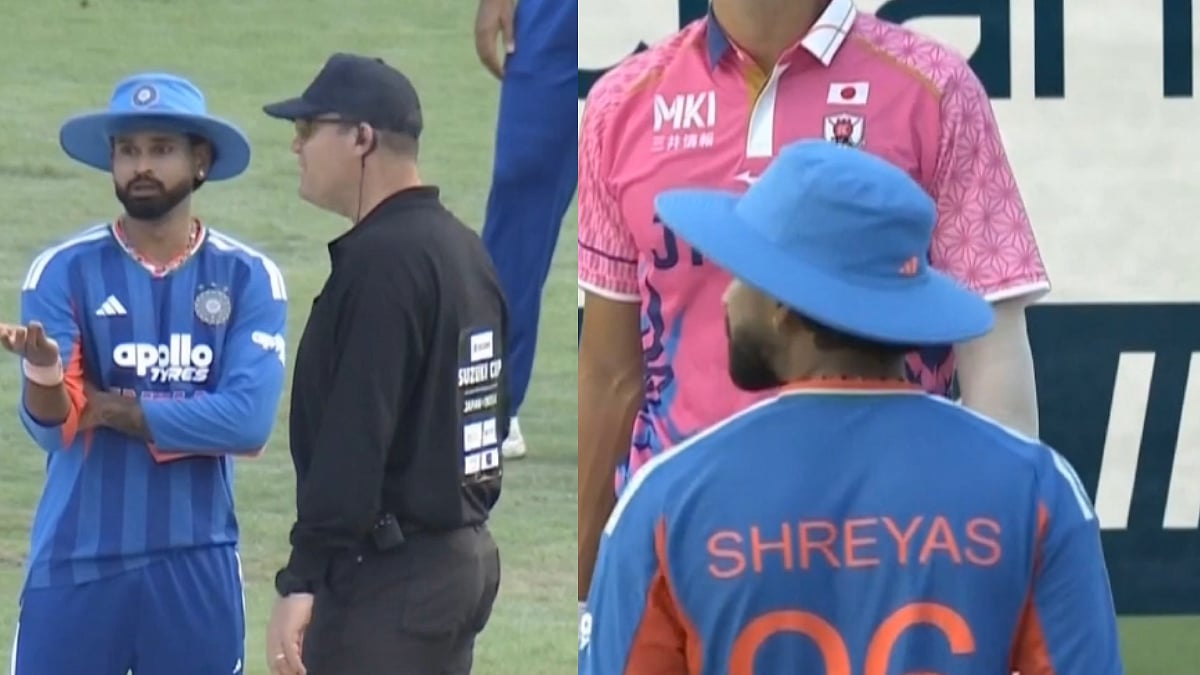
A heated exchange between India's captain Shreyas Iyer and umpire Chris Thurgate in the final over of a rain-shortened T20I against Japan saw a crucial wide ball decision controversially overturned, saving India from a potential upset. With Japan needing just a handful of runs for a historic victory, Axar Patel delivery was initially called wide, only for the umpire to reverse the call after strong protests from the Indian team. The high-stakes drama unfolded in a unique five-overs-a-side match at the Sano International Cricket Ground, where India defended a meager 32 runs against the 41st-ranked Japan. The absence of a Decision Review System (DRS) amplified the tension, as the decision reversal—prompted by discussions between umpire Thurgate and Chris Brown—became the focal point, especially given batter Alexander Shirai-Patmore was attempting a reverse sweep, a shot that complicates wide ball interpretations under ICC rules. This incident has sparked widespread debate online, with many accusing the Indian side of unduly influencing the officials. The controversy leaves lingering questions about sportsmanship and umpiring integrity in matches without advanced review technology, particularly when player protests lead to reversals. As cricket continues to expand globally, such moments underscore the critical need for consistent application of rules and robust officiating to maintain the spirit of the game, ensuring fair play for all nations, regardless of their standing. The cricketing world will be watching closely for any official statements or rule clarifications following this contentious finish.