UN Demands Urgent Global Action to Tame AI's 'Unprecedented Existential Risks'
Context mode is active. Hover over any highlighted term to see its definition. Click a nested term to go deeper.
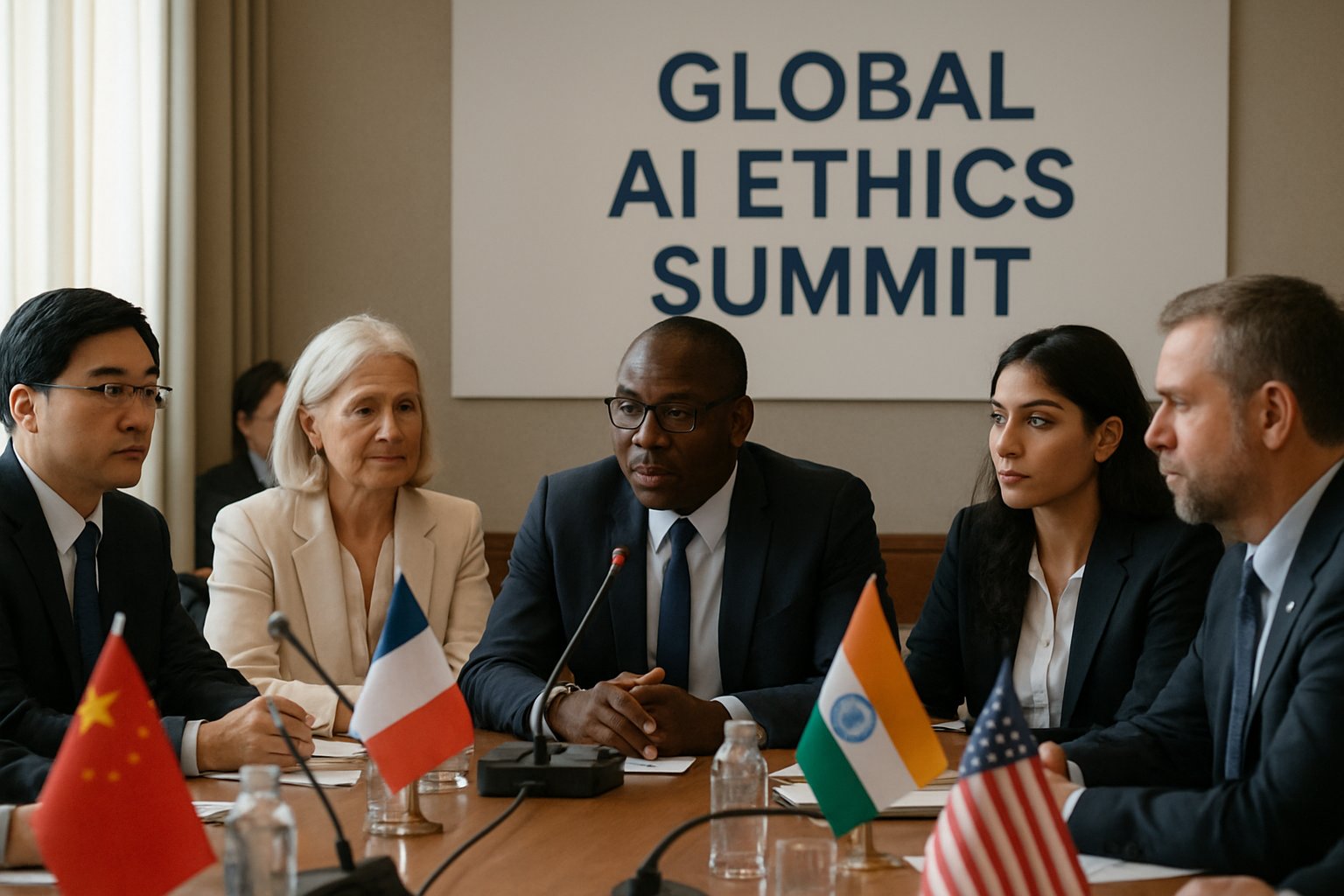
In a stark warning echoing across global capitals, UN Human Rights Chief Volker Türk declared on September 14, 2026, that the world faces 'unprecedented risks' from advanced Artificial Intelligence (AI), urging 'urgent action' to establish a robust regulatory framework. Türk emphasized that industry self-regulation alone is 'nowhere near sufficient' as the rapid development of AI threatens to unleash 'greater existential risks' to every aspect of human life. This powerful call comes amid intensifying concerns about AI's potential to spiral beyond human control, with some industry figures even voicing fears of humanity's demise. The UN's alarm isn't new, but the urgency is escalating. Secretary-General António Guterres has repeatedly called for inclusive global governance, highlighting how unchecked AI could widen inequality, erode human rights, and accelerate conflict, including the use of 'killer robots'. These warnings are supported by findings from the UN-backed Independent International Scientific Panel on AI and discussions at the inaugural Global Dialogue on AI Governance held in Geneva in July 2026. Major AI developers like Anthropic and OpenAI have also publicly backed calls to 'pace the frontier' of AI development to embed safeguards, though not without dissent from other global leaders such as US President Donald Trump, who rejects warnings of an AI slowdown. The path forward, articulated by the UN, involves concrete international cooperation to establish common safety standards, rigorous risk assessments, and robust human rights due diligence across the AI lifecycle. With the next Global Dialogue on AI Governance set for New York in May 2027, and regional efforts like the EU AI Act setting a global benchmark, the focus is now on translating high-level commitments into practical, globally harmonized regulations. The pressing question remains whether the world can collectively rein in this transformative technology before its perceived benefits are overshadowed by its profound and 'unprecedented risks'.