Unseen Enemy: Federal Probes Grapple with Elusive Cyclospora Outbreaks Beyond Lettuce
Context mode is active. Hover over any highlighted term to see its definition. Click a nested term to go deeper.
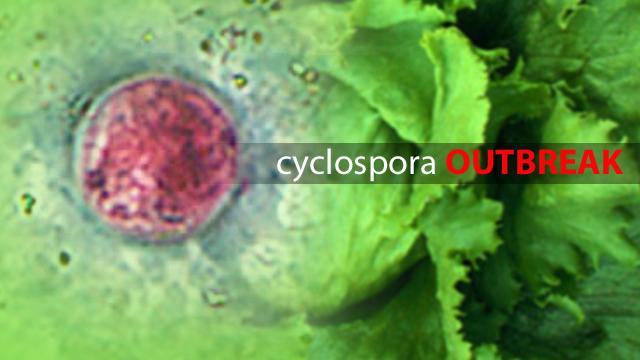
Federal health investigators are currently wrestling with six open Cyclospora outbreaks, but here's the kicker: only one has a confirmed food source. While contaminated iceberg lettuce from a Mexican supplier has sickened nearly 2,000 people across nine U.S. states, the remaining five investigations are a frustrating puzzle for authorities, leaving thousands more cases without a clear origin. This ongoing struggle highlights the persistent challenges in tracking down this microscopic parasite responsible for widespread illness this summer. The difficulty in pinning down Cyclospora's source stems from its unique biology; unlike many bacteria, it cannot be easily grown in lab cultures or traced using common whole-genome sequencing methods. Investigators are forced to rely heavily on patient interviews and complex epidemiological data, which is further complicated by the parasite's long incubation period—symptoms can take days to weeks to appear, making it tough for people to recall precisely what they ate. The situation has been compounded by miscommunications, including an initial false-positive test result for Cyclospora on a lettuce sample that added to public confusion. As the Centers for Disease Control and Prevention reports over 6,700 confirmed domestically acquired cyclosporiasis cases this year, with thousands more under review, public health officials are bracing for potentially record numbers. The FDA CORE Response Teams continue their painstaking traceback investigation, urging both consumers and the food industry to remain vigilant. The ongoing outbreaks underscore the need for enhanced food safety measures and more effective detection tools to prevent future widespread contaminations, especially as global food supply chains become increasingly complex.