US Achieves Nuclear Milestone: Third Advanced Microreactor Goes Critical Ahead of Deadline
Context mode is active. Hover over any highlighted term to see its definition. Click a nested term to go deeper.
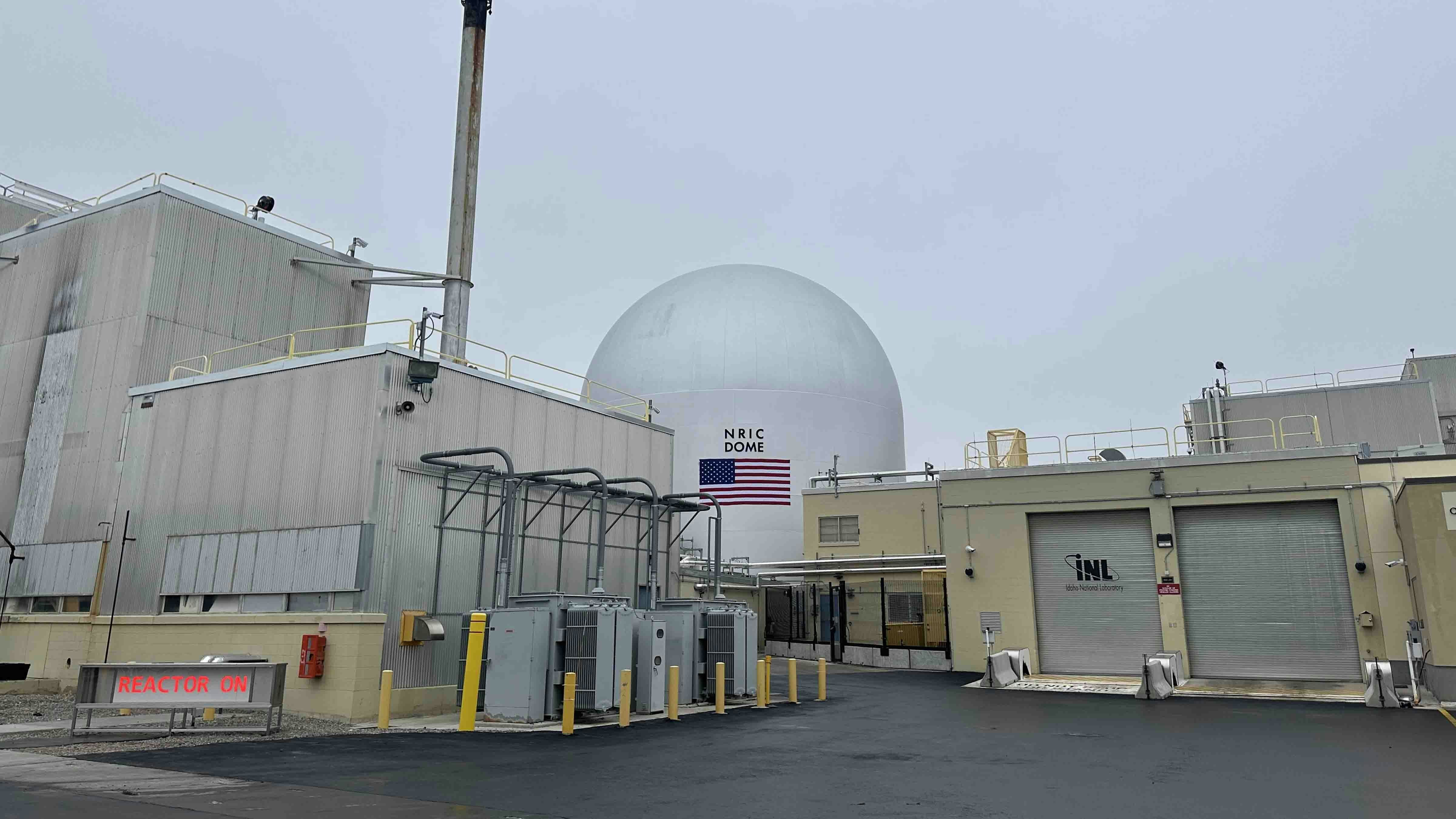
The United States has reached a historic energy milestone, with Deployable Energy Unity demonstration reactor achieving 'criticality' late on June 30, 2026, or July 1, 2026. This marks the third advanced reactor to go critical under a directive from President Donald Trump, fulfilling an ambitious July 4, 2026, deadline. This achievement follows Antares Nuclear Mark-0 reactor and Valar Atomics' Ward 250 reactor reaching criticality earlier in June, showcasing rapid progress in next-generation nuclear technology. This trio of successful 'zero-power fueled criticality demonstration' underscores the impact of the Department of Energy (DOE) Reactor Pilot Program and the Nuclear Energy Launch Pad initiative, designed to fast-track nuclear innovation by streamlining development and testing. President Trump's May 2025 Executive Order 14301 set the audacious goal, driving a 'nuclear renaissance' aimed at re-establishing US leadership in atomic energy. These microreactor, developed by private companies with support from the Idaho National Laboratory (INL), represent a significant shift from traditional large-scale nuclear plants, promising enhanced flexibility and deployment options. Looking ahead, these critical milestones are just the beginning. The next steps for reactors like Unity, Mark-0, and Ward 250 involve phased testing programs to validate reactor physics, ensure inherent safety, and move towards full-power operations. Companies like Antares Nuclear are already aiming for electricity production by late 2027 and field deployment by the end of 2028, signaling a rapid transition from demonstration to commercial viability. This swift advancement in advanced nuclear technologies could redefine US energy security and its global leadership in clean energy.