US and Iran Agree to Halt Attacks, Qatar Talks Loom
Context mode is active. Hover over any highlighted term to see its definition. Click a nested term to go deeper.
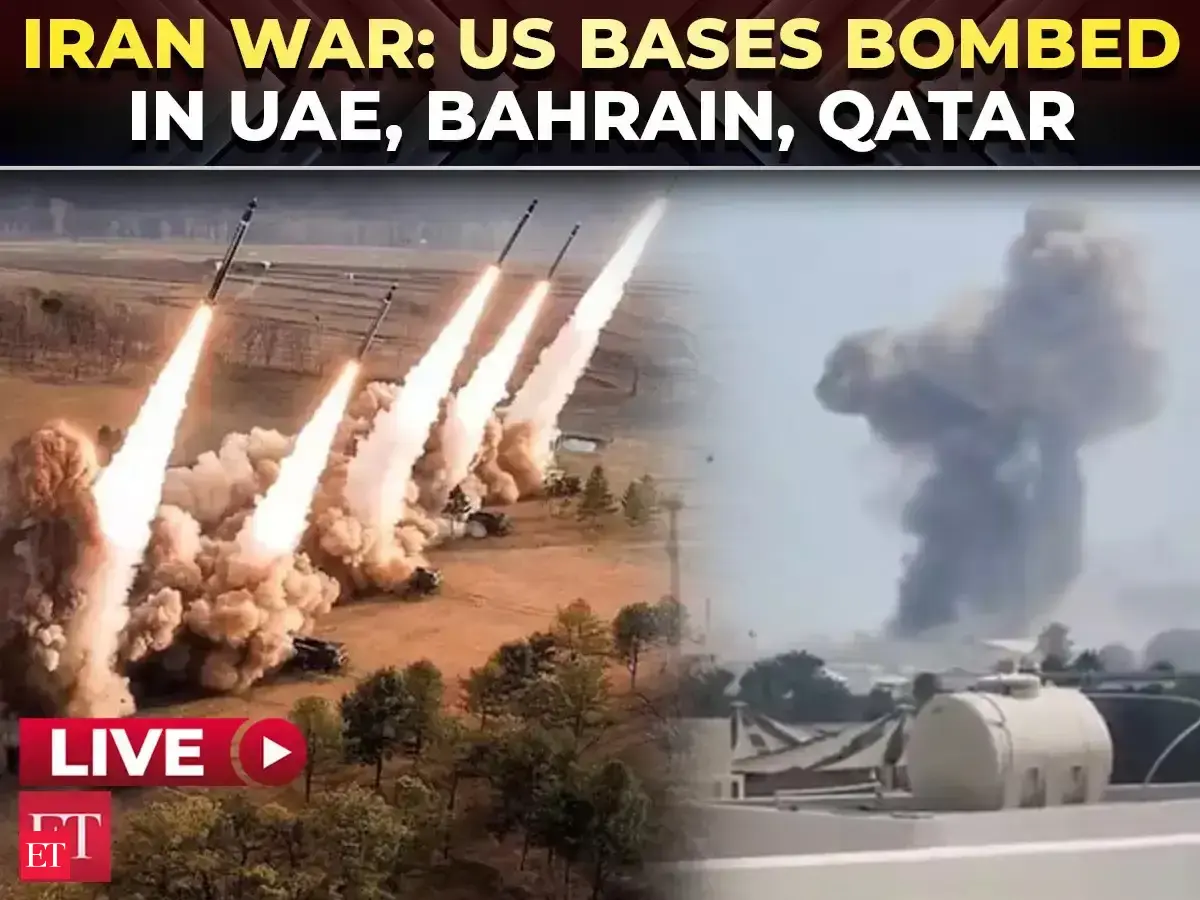
In a sudden diplomatic turn, the United States and Iran have agreed to halt hostilities and are poised for crucial talks in Doha, Qatar, on Tuesday, June 30, following a volatile weekend of escalating attacks. US President Donald Trump announced the meeting to address the critical Strait of Hormuz dispute, even as Iran's foreign ministry indicated that broader technical discussions are not yet confirmed, signaling lingering tensions beneath the surface of this new ceasefire. This breakthrough comes after Iran's Islamic Revolutionary Guard Corps launched missile and drone strikes against US military bases in Kuwait and Bahrain just Sunday, June 28, amplifying fears of a wider regional conflict. The IRGC's weekend attacks, targeting Kuwait's Ali Al Salem Air Base and the US 5th Fleet naval base in Bahrain, were a direct retaliation for recent US airstrikes on Iranian military sites. Those US strikes, in turn, were a response to an Iranian drone attack on the oil tanker Kiku near the Strait of Hormuz on June 27, highlighting the precariousness of a previously signed Memorandum of Understanding aimed at ending the war and reopening the vital waterway. Reports suggest significant damage to US installations in Bahrain over recent months, underscoring the high stakes involved in these latest diplomatic efforts to de-escalate. All eyes now turn to Doha, where mediators from Qatar and Pakistan have been instrumental in pushing for dialogue, with the immediate focus on stabilizing maritime security in the Strait of Hormuz. While President Trump confirmed Tuesday's talks, an Iranian official's caveat about fulfilling conditions for broader technical discussions suggests a complex road ahead. Adding another layer to the negotiations, Iranian President Masoud Pezeshkian has stated that $6 billion of Iran's frozen assets in Qatar are slated for release, a potential incentive for Tehran to engage constructively. The fragile nature of this de-escalation means any misstep could quickly reignite the conflict.