US and Iran Exchange Devastating Strikes as Hormuz Crisis Deepens, Oil Surges
Context mode is active. Hover over any highlighted term to see its definition. Click a nested term to go deeper.
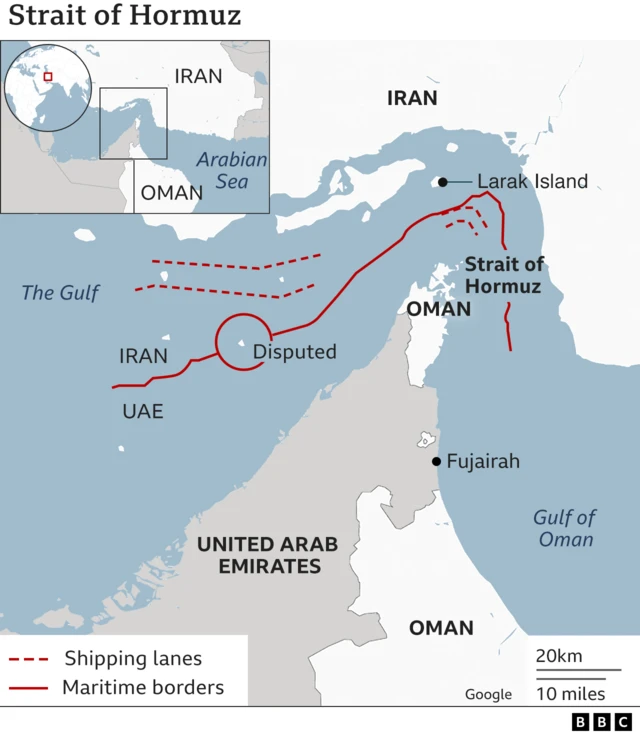
The United States has launched a new wave of precision strikes against Iranian military targets, including air-defense systems, coastal radar sites, and drone capabilities, marking a severe escalation in the ongoing conflict over the strategic Strait of Hormuz. In immediate retaliation, Iran Islamic Revolutionary Guard Corps (IRGC) fired missiles and drones at US military facilities across Bahrain, Kuwait, Qatar, Oman, and Jordan, plunging the region into a dangerous cycle of attacks. The escalating hostilities erupted after Iran Revolutionary Guard Corps (IRGC) attacked commercial vessels in the Strait over the weekend, prompting a decisive US response aimed at safeguarding international shipping in the vital waterway. This latest exchange of fire shatters a fragile interim agreement between Washington and Tehran, which had sought to de-escalate tensions and reopen the Strait of Hormuz for international transit. Iran Persian Gulf Strait Authority (PGSA) has since declared the Strait closed, citing 'hostile actions' by US forces, while Washington insists the crucial chokepoint remains open for free navigation. The rapid escalation has sent global oil prices surging by over 3% on Monday, intensifying fears of a prolonged disruption to global energy supplies and severe economic fallout. Gulf nations are on high alert, with Bahrain activating alarm sirens and Kuwait intercepting incoming aerial threats. As both sides dig in, the immediate future looks tense, with UN Secretary-General António Guterres urging an 'urgent resumption of negotiations' and 'maximum restraint' to prevent a catastrophic regional war. Observers will be closely watching for further retaliatory actions, the effectiveness of air defense systems in Gulf nations, and any potential international mediation efforts. The global economy now faces the real threat of sustained energy market volatility and heightened commercial shipping risks as the critical Strait of Hormuz remains contested.