US and Iran Exchange Heavy Missile Fire, Regional Conflict Deepens as Diplomacy Falters
Context mode is active. Hover over any highlighted term to see its definition. Click a nested term to go deeper.
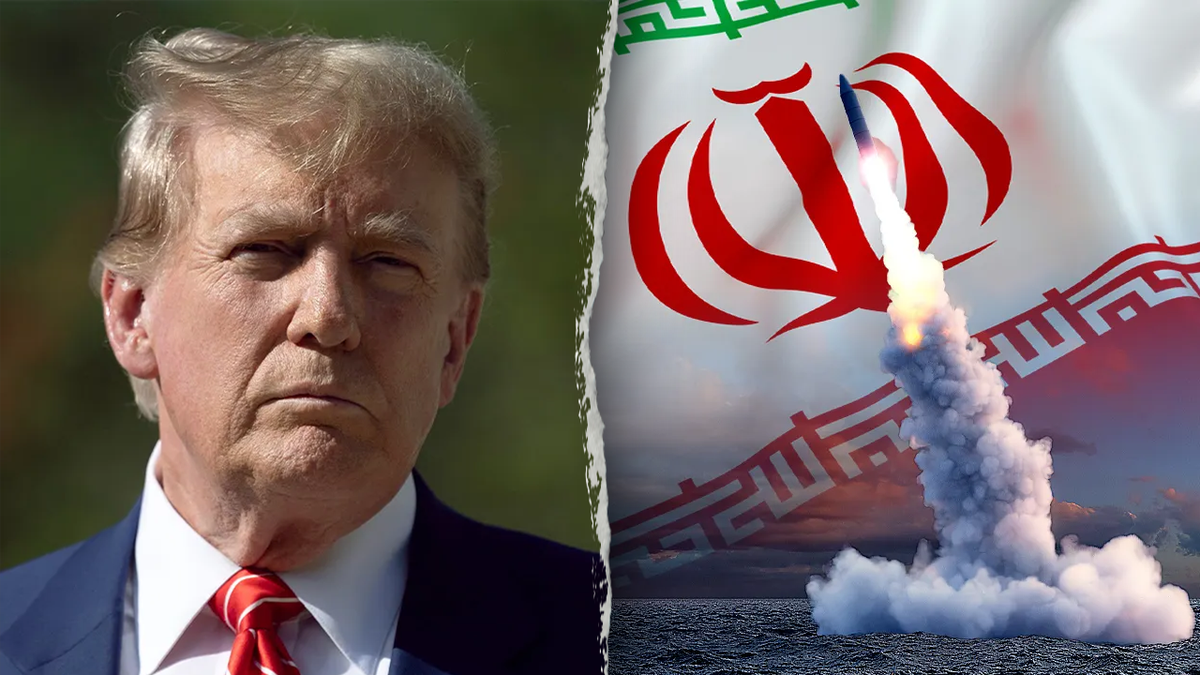
The United States and Iran traded heavy missile attacks on Thursday, shattering a brief period of calm and pushing the ongoing conflict into a more dangerous phase. Iran launched ballistic missiles targeting a US military base in Jordan, and another Iranian missile strike reportedly hit a Chinese firm's building in Kuwait, killing one person. In swift retaliation, the US military, specifically US Central Command, executed a 'heavy wave of strikes' across dozens of Islamic Revolutionary Guard Corps targets inside Iran, including command centers and missile facilities. This renewed fighting, after a several-day lull, marks a serious escalation in the five-month-long '2026 Iran War'. The situation is further complicated by Saudi Arabia publicly joining the US in striking Iran-backed militias in Iraq, broadening the regional scope of hostilities. Critically, these attacks are disrupting global energy supplies, with shipping in the vital Strait of Hormuz already at crisis-era lows, sending gas and oil prices higher and impacting the global economy. With hopes for a quick resolution dimming, President Donald Trump has vowed a forceful response and is reportedly considering an extended air campaign of up to two weeks to weaken Iran military capabilities. While international mediators from countries like Pakistan and Qatar continue efforts to revive negotiations, the deep mistrust between Washington and Tehran makes any immediate diplomatic breakthrough seem far off. The immediate future points towards continued military action and an increasing risk of wider regional entanglement.