US and Iran Halt Attacks, Trump Backs Diplomacy as Hormuz Deal Progresses
Context mode is active. Hover over any highlighted term to see its definition. Click a nested term to go deeper.
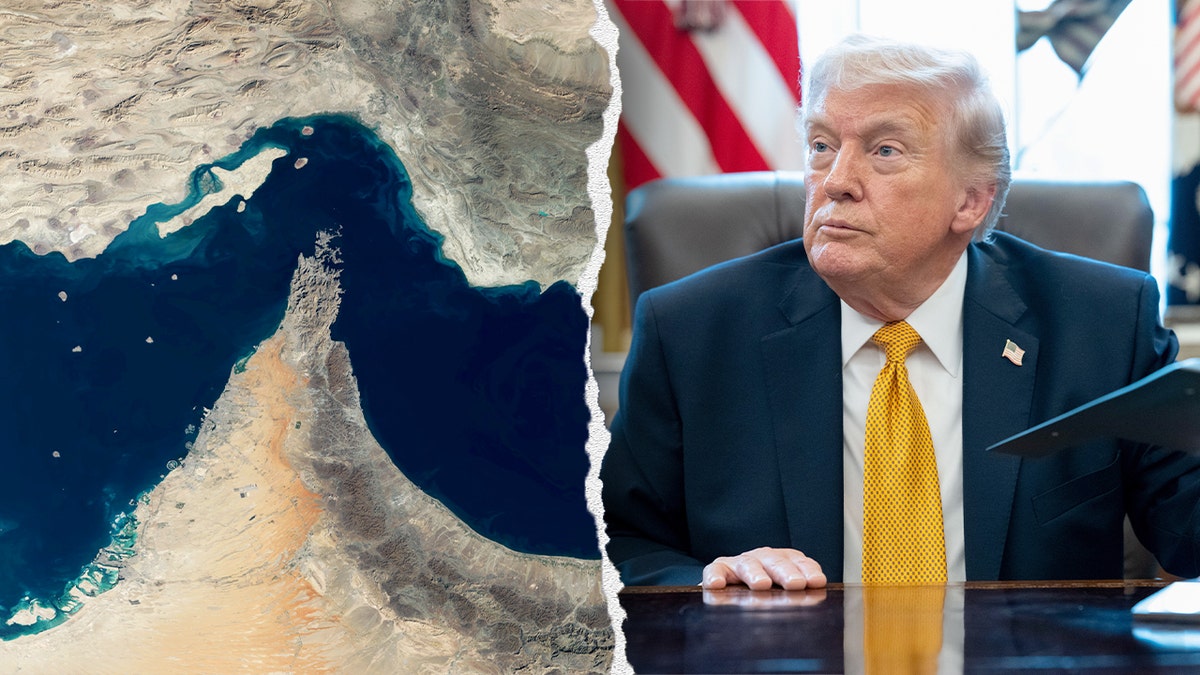
After weeks of escalating military exchanges, the United States and Iran have remarkably paused their attacks for a second consecutive day, signaling a crucial de-escalation in the volatile Middle East. This unexpected calm comes as diplomatic channels intensify, with President Donald Trump administration indicating it's 'giving diplomacy some space' to finalize a critical deal regarding the Strait of Hormuz, a vital global oil artery. Markets have responded with a sigh of relief, seeing oil prices drop significantly. This pause follows a nearly five-month-old conflict, dubbed 'Operation Epic Fury' by the US and Israel, which began in February 2026 and saw widespread strikes on Iranian coastal areas and infrastructure, alongside Iran retaliatory attacks on US allies and shipping in the Gulf. The core of the current tension revolves around the Strait of Hormuz, through which about 25% of the world's seaborne oil and 20% of liquefied natural gas normally pass, now largely disrupted. An 'Islamabad Memorandum' signed in June 2026 was meant to pave the way for a ceasefire, but its interpretation, particularly concerning who controls shipping routes in the Strait, remains a major point of contention, with Iran Revolutionary Guard Corps Navy asserting its authority. While the US Ambassador to the UN, Mike Waltz, highlights the diplomatic window, Iran Foreign Ministry explicitly denies any direct talks with the US, though it confirms ongoing discussions with Oman to find 'mechanisms' for safe transit through the Strait. Meanwhile, Iran Revolutionary Guard Corps Navy has continued to turn back vessels attempting to use US-designated routes, maintaining its claim over the waterway. The fragile ceasefire is shadowed by continued US military asset movements into the region and skepticism from allies like Israeli Prime Minister Benjamin Netanyahu, who has historically pushed for continued strikes against Iran. The coming days will test whether this diplomatic opening can forge a lasting solution or if the region will revert to conflict.