US and Iran Near Hormuz Deal, But Fees Remain a Global Sticking Point
Context mode is active. Hover over any highlighted term to see its definition. Click a nested term to go deeper.
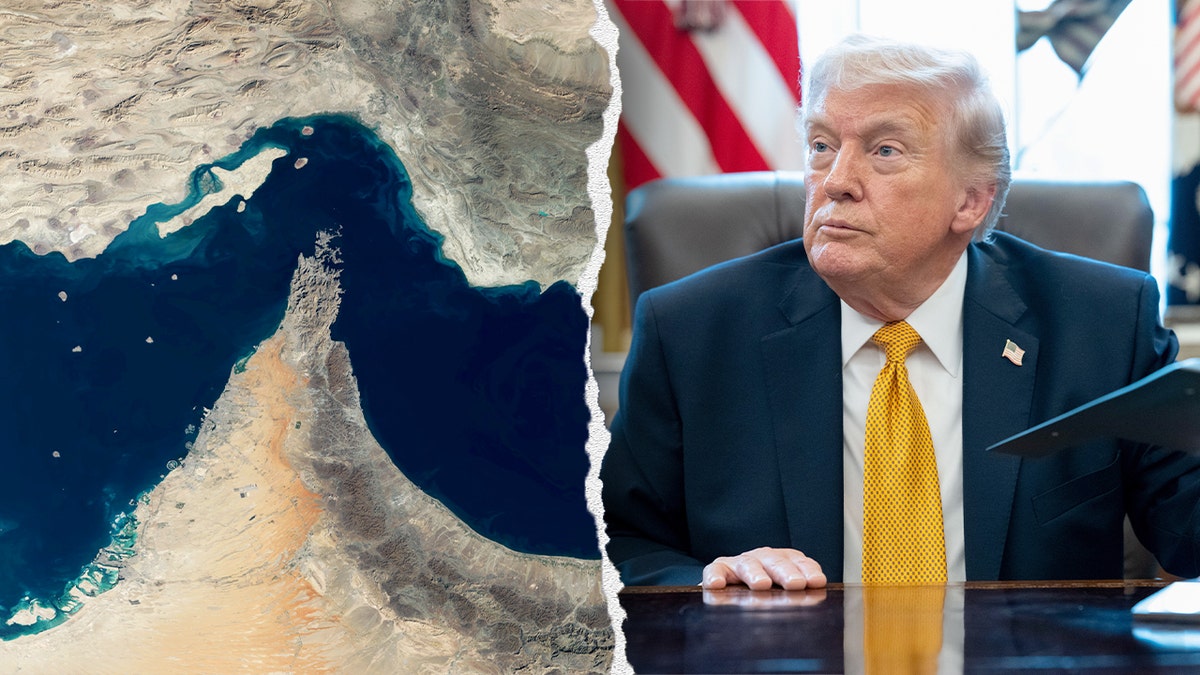
Iran announced Wednesday it's in the 'final stage' of drafting a critical agreement with Oman that could finally reopen the Strait of Hormuz, a lifeline for global energy. This development comes after months of severe disruptions and a war that began on February 28, 2026, pushing up fuel prices worldwide. While US President Donald Trump hinted a deal is imminent this week, the thorny issue of Iran wanting to charge transit fees for ships passing through the strait remains a major roadblock, with Washington firmly opposing any such charges. This proposed agreement aims to bring an end to a conflict that has devolved into a standoff over the strategic waterway, through which a massive one-fifth to one-quarter of the world's oil and liquefied natural gas (LNG) once flowed daily. The US, which, along with Israel, launched the war with goals like toppling Tehran's government, has seen the conflict shift to securing free passage in Hormuz. Iranian officials, including Foreign Ministry spokesman Esmaeil Baghaei, have confirmed a new shipping route is being finalized, with Iran seeking oversight of inbound vessels and proposing fees between 5-7% of cargo value, while Oman suggests 3% and the US stands firm on zero fees. The stakes are incredibly high, as the closure of this vital maritime chokepoint has severely impacted the global economy. With US congressional elections looming, President Trump is under increasing pressure to de-escalate this unpopular war. The outcome of these negotiations will not only determine the future of global energy supply chains but also significantly reshape the balance of power in the region, leaving many to wonder if a true compromise can be reached or if the world will face continued economic instability.