US-Canada Tariff Deal Unlikely Before Midterms, Says Former Trade Chief
Context mode is active. Hover over any highlighted term to see its definition. Click a nested term to go deeper.
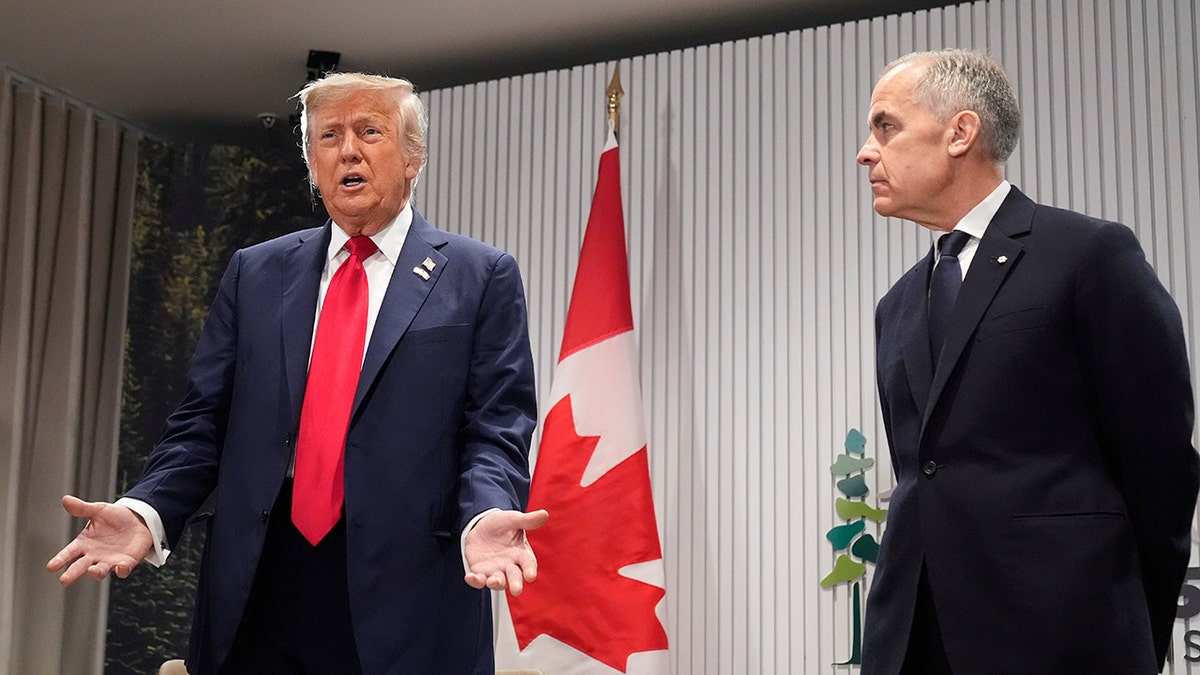
Canada's former chief trade negotiator, Steve Verheul, has poured cold water on hopes for a quick tariff deal with Washington, stating on Monday that a breakthrough is unlikely before the pivotal U.S. midterm elections in November. This forecast comes as the Canada-U.S.-Mexico Agreement (CUSMA) faces a critical review tomorrow, July 1, 2026, amid ongoing trade tensions under President Donald Trump administration. The remarks highlight persistent uncertainty for North American trade as both nations grapple with President Trump's aggressive protectionist policies and upcoming political contests in the U.S.. President Trump's second term has been marked by sweeping tariffs, initially imposed in February 2025 on Canadian and Mexican goods, though many exemptions were later made for CUSMA-compliant products. A significant setback for Trump came in February 2026 when the U.S. Supreme Court ruled his 'Liberation Day' tariffs, enacted under the International Emergency Economic Powers Act (IEEPA), were illegal, mandating refunds of billions in collected duties. In response, Trump quickly enacted a new global 10% tariff under Section 122 of the Trade Act of 1974, set to expire in late July, while existing Section 232 tariffs on steel, aluminum, and autos remain in place, sparking Canadian retaliatory tariffs. Canadian Prime Minister Mark Carney has acknowledged President Trump's dissatisfaction with CUSMA, even as Canada seeks a 16-year renewal. Looking ahead, Verheul believes any substantial discussions might only gain traction after the midterms, potentially even spilling into 2027, despite a slim chance of President Trump seeking a pre-election political win. The upcoming CUSMA review could see the U.S. push for annual rolling reviews instead of a long-term renewal, adding to trade instability. With Canada actively diversifying its trade relationships in response to U.S. protectionism and President Trump recently threatening 100% tariffs on countries imposing digital services taxes, the path to stable North American trade remains fraught with political calculations and ongoing legal battles over tariff authority.