US Casualties in Iran War Surge to 774 Amid Growing Scrutiny Over Pentagon's Delayed Reporting
Context mode is active. Hover over any highlighted term to see its definition. Click a nested term to go deeper.
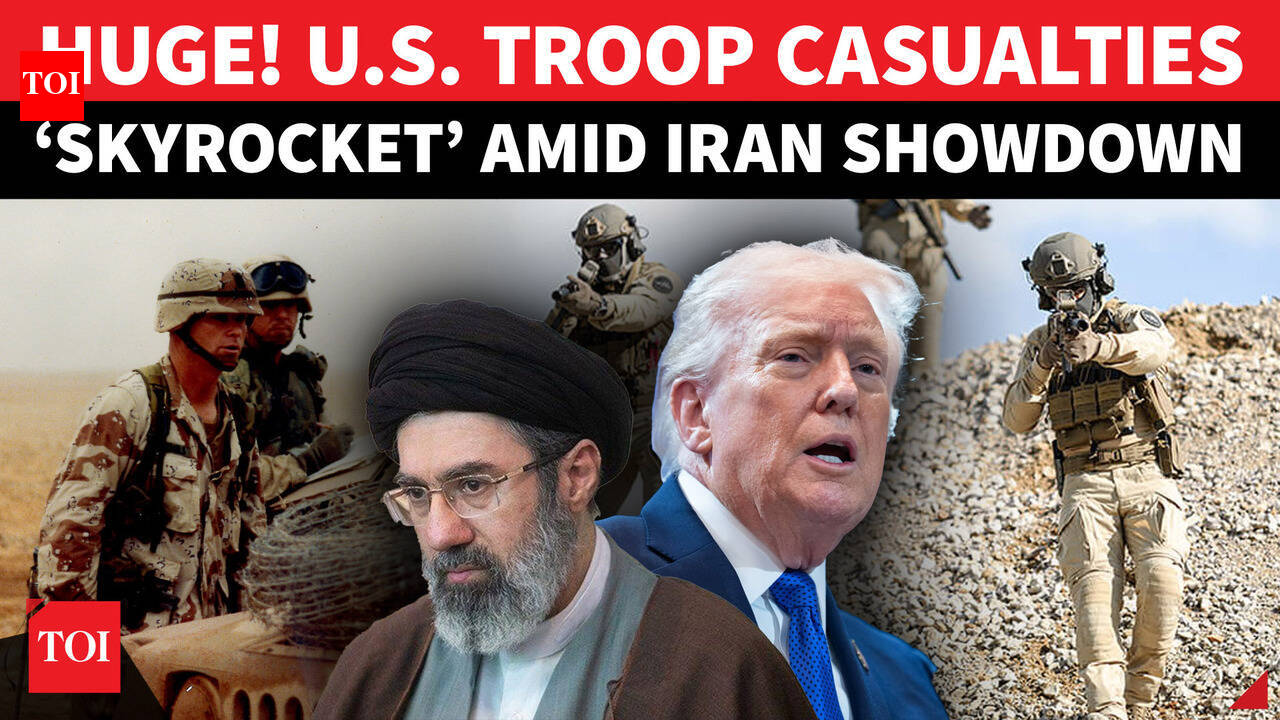
The US Department of Defense has revealed that American casualties in the ongoing Iran war have climbed dramatically to 774, including 18 killed and 756 wounded, sparking intense criticism over the Pentagon delayed and inconsistent reporting. This latest surge in figures comes as the conflict enters its sixth month, raising questions about transparency and the true human cost of the military engagement. The updated casualty count, which added 'scores' of new troops to the wounded list just days after a temporary ceasefire expired, has ignited a fierce backlash against the Pentagon. Critics point to previous instances where deaths and injuries mysteriously disappeared from official databases, only to be reclassified under a new 'Overseas Operations' category created in July. This controversy unfolds against a backdrop of escalating political tensions, with President Donald Trump administration facing domestic pressure over an unpopular conflict and the recent launch of a 'crushing' 'Economic D-Day' offensive against Iran, signalling a shift in strategy after initial military objectives failed. Secretary of Defense Pete Hegseth has acknowledged that 'there will be more casualties', highlighting the persistent dangers, especially around critical flashpoints like the Strait of Hormuz. With the June Memorandum of Understanding (MOU) ceasefire having lapsed and no large-scale combat resumption, attention now shifts to the political fallout from the casualty reporting debacle and the effectiveness of the new economic pressure campaign. Congress is demanding greater accountability from the US Department of Defense regarding the methodology and accuracy of casualty figures. Observers will be watching closely to see if the increased transparency demands lead to genuine reform, or if the administration continues to manage public perception of the war's mounting costs ahead of crucial mid-term elections. The ongoing naval blockades in the Strait of Hormuz also remain a critical flashpoint that could reignite broader conflict.