US, China Face High-Stakes Talks as Trade Truce Nears Critical Brink
Context mode is active. Hover over any highlighted term to see its definition. Click a nested term to go deeper.
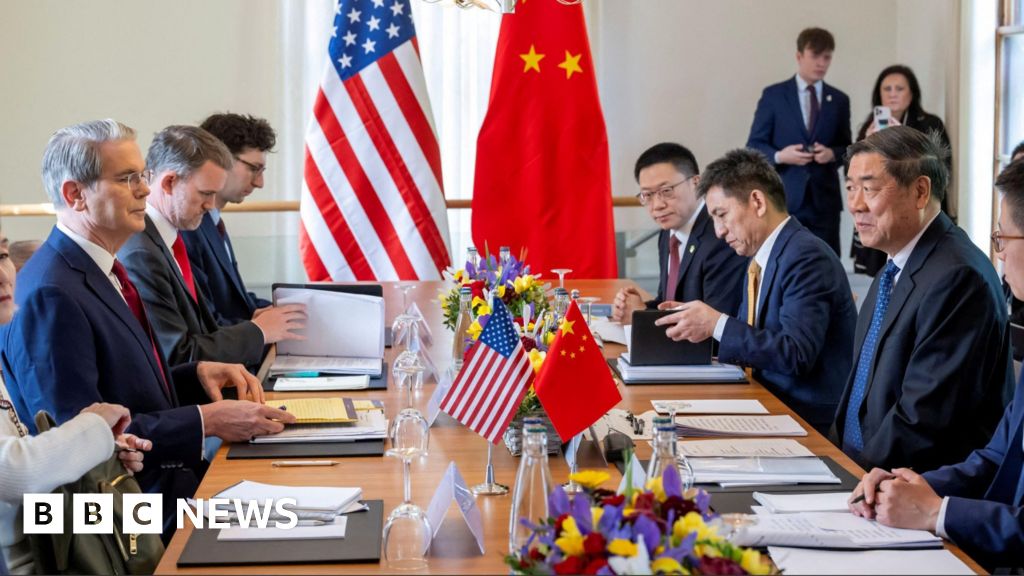
US Treasury Secretary Scott Bessent is set to meet Chinese Vice-Premier He Lifeng in New York this weekend, a critical precursor to the high-stakes summit between President Donald Trump and President Xi Jinping later this month. These urgent discussions come as a year-long trade war truce, agreed upon in Busan in October 2025, teeters on the brink of expiry in November, threatening to reignite tariff battles between the world's two largest economies. The looming deadline has intensified negotiations, with both sides looking to avoid a full-blown return to punitive tariffs that have previously roiled global markets. China is reportedly seeking a long-term extension of the truce, while the US is pushing for a six-month extension, citing concerns over Beijing's adherence to commitments on rare earth exports. Recent statements from Bessent highlight deep divisions, especially on China's 'cheap exports' and substantial trade surplus, a point of contention that even led to China dissenting from a G20 communique earlier this month. Discussions will also touch on broader issues like AI safety and governance, alongside Washington's push to address China's purchases of sanctioned Iranian oil. The outcome of Bessent and He Lifeng meeting will largely shape the agenda for the September 24th Trump-Xi summit in Washington, where leaders hope to solidify reciprocal tariff reductions on key sectors like American energy and agricultural products. Failure to secure a renewed truce or a more comprehensive trade agreement could trigger renewed economic uncertainty, forcing companies to once again rethink their global supply chains. Observers will be watching for any concrete steps to de-escalate tensions and build a more stable, albeit complex, bilateral economic relationship.