US Congress Slams Russia, Iran with Sanctions Bill, Eyes Global Energy Buyers
Context mode is active. Hover over any highlighted term to see its definition. Click a nested term to go deeper.
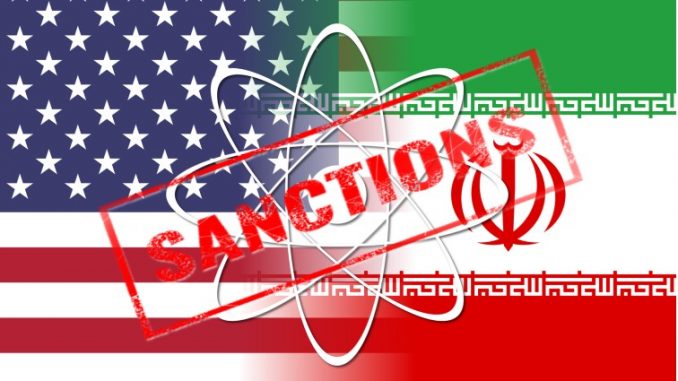
The US House of Representatives just passed the 'Lindsey O. Graham Sanctioning Russia and Iran Act of 2026,' sending a powerful signal from Washington to Moscow and Tehran. This comes after the Senate overwhelmingly approved the bill last month, making it ready for President Donald Trump signature, which his administration has indicated he will provide. The new legislation aims to severely tighten the screws on Russia war economy, while also extending crucial sanctions on Iran. This sweeping bill targets Russia government, financial system, and vital energy sector with expanded sanctions, including restrictions on US investments and purchases of Russian government debt. Crucially, it empowers the President to slap tariffs as high as 500% on Russian goods and up to 100% on energy imports from the top five countries buying Russian oil and gas, with China and India explicitly identified as major potential targets. For Iran, the Act extends the 1996 Iran Sanctions Act through 2031, maintaining pressure on its energy and weapons programs amidst ongoing international concerns about its nuclear ambitions, as highlighted by a recent referral from the IAEA to the UN Security Council. The bipartisan push in Congress, championed by the late Senator Lindsey Graham, reflects a deepened commitment to using economic tools against nations perceived as threats. While supporters believe these measures will cripple Russia war machine in Ukraine and curtail Iran destabilizing activities, some lawmakers have voiced concerns about potentially overreaching presidential tariff powers and the bill's impact on global supply chains and allies. The world will now watch closely to see how President Trump implements these new authorities and what ripple effects they trigger across international trade and geopolitical alignments.