US Congressman Ro Khanna Detained by Armed Israeli Settlers in West Bank Uproar
Context mode is active. Hover over any highlighted term to see its definition. Click a nested term to go deeper.
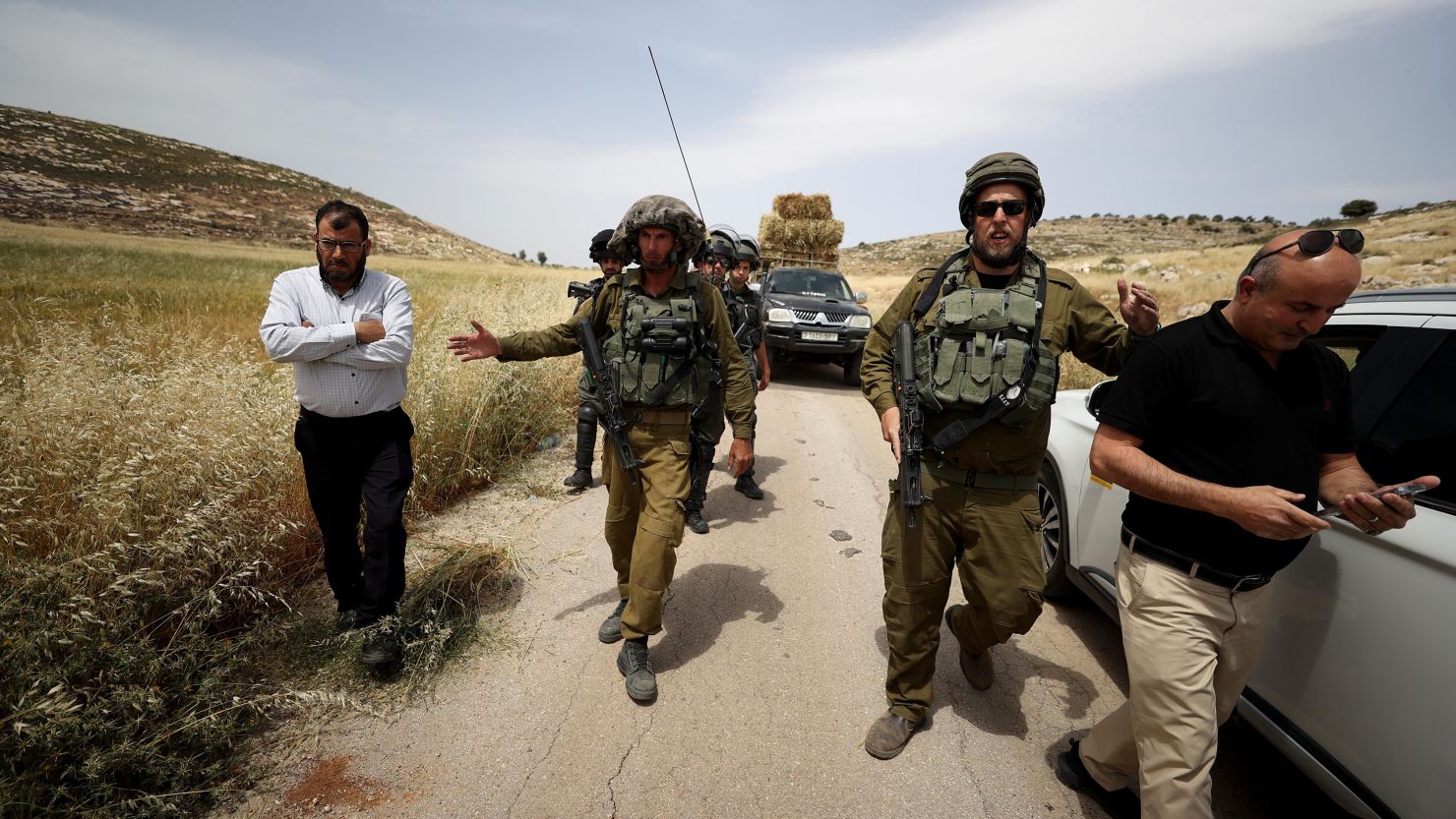
US Congressman Ro Khanna, a prominent California Democrat, was recently confronted and detained by armed Israeli settlers, many brandishing American-made M4 carbines, while on a fact-finding tour in the occupied West Bank. Khanna described being held for over an hour near the Palestinian village of Khirbet Zanuta, an area reportedly devastated by settler attacks, with Israeli Defense Forces (IDF) soldiers initially appearing to side with the armed settlers before his group was released following intervention from the US Embassy in Jerusalem. This alarming incident throws a harsh spotlight on the escalating and largely unchecked settler violence against Palestinians in the West Bank, which has seen a significant surge in recent years, leading to widespread displacement and destruction of Palestinian property. Khanna, who is openly considering a 2028 presidential bid, explicitly criticized the 'arrogance of power' and 'total impunity' enjoyed by settlers, further stressing the delicate and often strained relationship between the US and Israel, particularly concerning the occupation and human rights in the Palestinian territories. The IDF, for its part, denied detaining anyone and stated their troops were dispatched to disperse civilians and reopen the road. Moving forward, the incident is expected to intensify diplomatic pressure on both the Israeli government and the Biden administration to address settler violence and the ongoing occupation more forcefully. Khanna has called for the prosecution of settlers and IDF soldiers involved, signaling potential congressional scrutiny and renewed debates within the US on foreign aid to Israel and its implications for human rights. Observers will be watching for official responses from the US State Department and any concrete steps taken by Israel to investigate and curb such incidents, especially as the international community largely views these settlements as illegal under international law.