US Department of War Strikes Deals with General Dynamics, Lockheed to Surge Missile Output
Context mode is active. Hover over any highlighted term to see its definition. Click a nested term to go deeper.
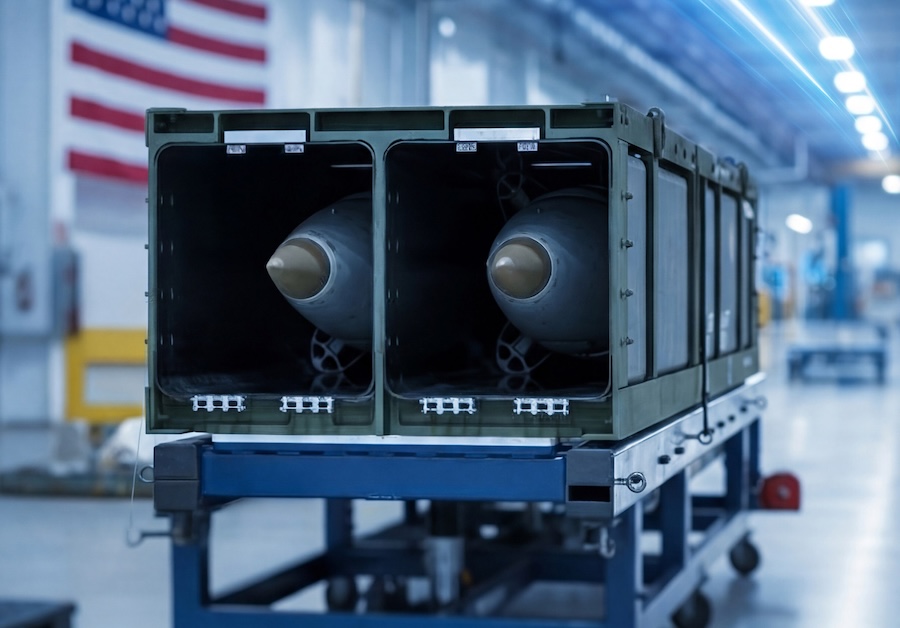
The U.S. Department of War (DoW) has inked crucial seven-year framework agreements with defense giants General Dynamics Ordnance and Tactical Systems and Lockheed Martin. These deals are set to dramatically increase the production of advanced missile interceptors, specifically aiming to triple output for Patriot PAC-3 MSE missiles and quadruple production of THAAD interceptors. This aggressive push directly responds to the significant depletion of U.S. missile stockpiles due to ongoing conflicts in Iran and Ukraine, marking a critical step to rebuild America's defensive capabilities and accelerate delivery schedules. The urgency for this production surge stems from recent geopolitical realities, with reports indicating the U.S. has expended approximately 65% of its Patriot and 38% of its THAAD interceptor inventory across battlefields. The agreements are designed as multiyear procurement contracts, guaranteeing minimum annual orders to provide defense contractors with the stability needed to invest in expanding facilities, hiring more workers, and purchasing materials in bulk. This strategic move aims to fortify the domestic defense industrial base, ensuring the nation can outpace emerging threats, particularly amidst concerns about adversaries like China in the Western Pacific. Looking ahead, these framework agreements, while subject to annual congressional appropriations for funding, will kickstart a seven-year commitment to bolster missile component manufacturing and accelerate delivery. Under Secretary of War for Acquisition and Sustainment Michael P. Duffey highlighted that these efforts are about 'cutting red tape' and rapidly scaling domestic capacity. The focus now shifts to the diligent execution of these contracts and the continuous oversight required to ensure production targets are met, thereby safeguarding national security and global stability for years to come.