US Deports Afghan Military Ally to Unstable Central African Republic Amid Trump-Era Policy Push
Context mode is active. Hover over any highlighted term to see its definition. Click a nested term to go deeper.
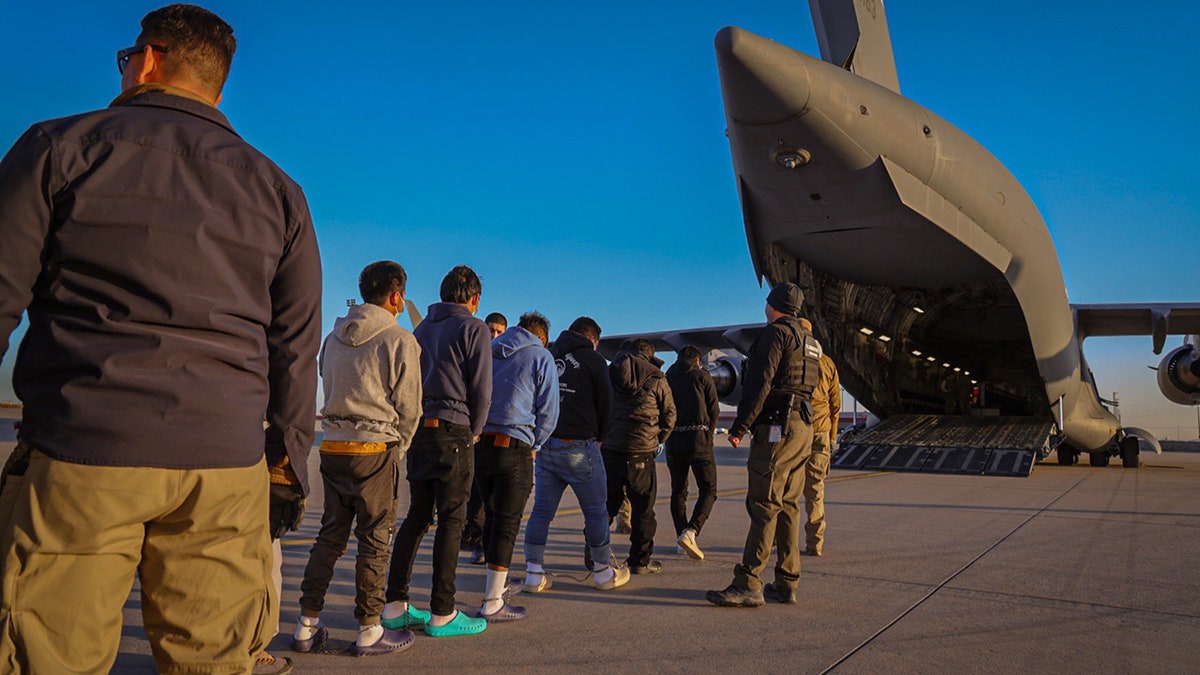
The United States has controversially deported an Afghan national, whose family members risked their lives aiding the U.S. military, to the war-torn Central African Republic this past Saturday. This action occurred despite a U.S. judge granting the man protection against deportation to Afghanistan due to fears of persecution by the Taliban. Advocacy groups and the man's lawyer confirmed the deportation, highlighting a disturbing trend of the Trump administration ongoing immigration crackdown, which utilizes often-secret agreements to transfer individuals to countries where they have no ties. The flight, which landed in Bangui, the capital of the Central African Republic, also included 12 other Afghans and eight Iranians. This recent deportation is the third such flight to the Central African Republic this year, a nation facing pervasive insecurity and a Level 4 'Do Not Travel' advisory from the U.S. State Department. Critics argue these 'third-country transfers' serve as a legal loophole, indirectly sending asylum seekers back towards the dangers they fled. The broader context includes the effective halt of the Special Immigrant Visa (SIV) program for Afghans, initiated by a Trump administration executive order that suspended visa issuance to Afghan passport holders since January 2026. This leaves thousands of Afghan allies, many with Chief of Mission approval, in limbo, vulnerable to such transfers. Advocacy organizations like Human Rights First and AfghanEvac are vehemently condemning the deportations, calling for an immediate halt to these transfers that disregard judicial protections and expose vulnerable individuals to extreme peril. Legal challenges are ongoing against the Trump administration policies, including a federal court ruling in February 2026 that deemed the indefinite pause of SIV case adjudication illegal, though entry restrictions persist. This ongoing crisis forces a critical examination of America's commitments to those who aided its military and the future of its immigration policies under a continued push for stricter enforcement.