US Education Department Rolls Back Key Anti-Discrimination Protection, Sparking Outcry
Context mode is active. Hover over any highlighted term to see its definition. Click a nested term to go deeper.
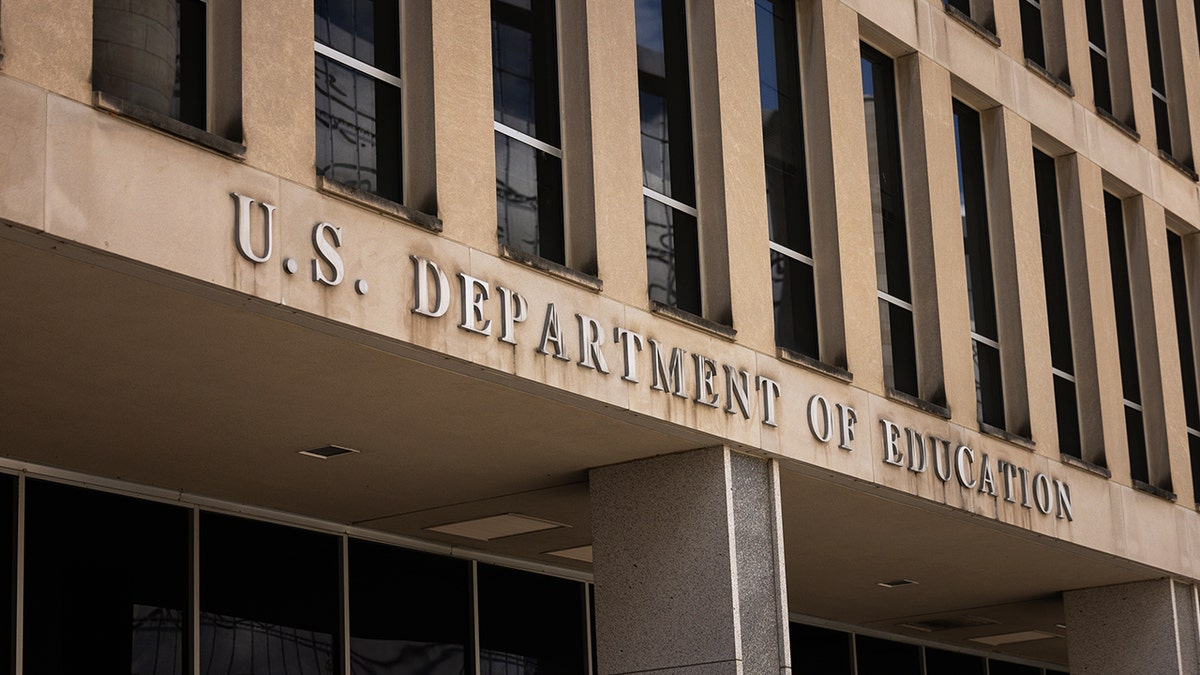
In a seismic shift for civil rights, the U.S. Education Department officially rescinded the decades-old Disparate Impact Rule on Thursday, July 23, 2026, meaning school policies that unintentionally harm specific student groups will no longer be considered discriminatory unless intent is proven. This abrupt change, which took immediate effect without public comment, fundamentally redefines how federal authorities will address allegations of discrimination in schools across the nation. Critics argue this move strips vital protections, especially for minority students who disproportionately face harsher disciplinary actions. The Education Department, led by Secretary Linda McMahon and Assistant Secretary for Civil Rights Kimberly Richey, asserts that the change aligns with President Donald Trump Executive Order 14281 from April 2025, which called for eliminating disparate impact liability across federal agencies. They contend that Title VI of the Civil Rights Act of 1964 always required proof of intentional discrimination and that the previous rule forced schools into 'racial balancing' to avoid federal scrutiny. However, civil rights organizations vehemently condemn the rescission, warning it will create 'unnecessary and unjustified barriers' for students of color to access equal educational opportunities, as proving intentional bias is notoriously difficult. This move by the Trump administration is part of a broader effort to re-evaluate diversity initiatives, with other federal agencies, including the Department of Justice, also scaling back their reliance on disparate impact standards. As the rule is set to be published in the Federal Register on July 24, 2026, advocacy groups are expected to continue challenging the decision, though the immediate impact means schools nationwide now operate under a vastly different civil rights enforcement landscape. The long-term implications for educational equity and the legal avenues for students facing systemic discrimination remain a critical watchpoint.