US Ends 23-Year Iraq Military Presence, Shifts Focus to Escalating Iran Conflict
Context mode is active. Hover over any highlighted term to see its definition. Click a nested term to go deeper.
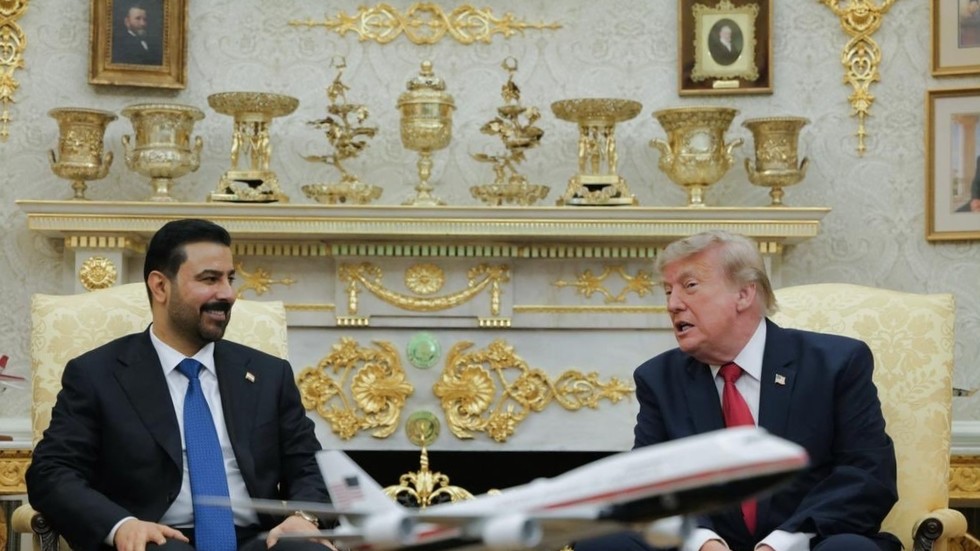
In a seismic shift for Middle East geopolitics, the United States is set to fully withdraw its military forces from Iraq by September 30, 2026, concluding a 23-year presence that began with the 2003 invasion. This landmark departure, announced by US President Donald Trump and Iraqi Prime Minister Ali al-Zaidi, comes as Washington explicitly reorients its regional strategy to confront an intensifying "Iran war," marked by escalating strikes against the Islamic Republic and its proxies across the Middle East. The "Iran war" isn't a traditional declaration but a critical phase of direct US-Israeli military strikes on Iran and rampant proxy battles, from Iraq to Yemen and Lebanon. The Trump administration has openly stated its intention to 'degrade Iranian capabilities' amid persistent attacks on commercial shipping in the Strait of Hormuz and hundreds of previous assaults on American forces by Iran-aligned groups. Simultaneously, Baghdad's new government, under Prime Minister al-Zaidi, faces the monumental task of disarming powerful Iran-backed militias within Iraq by the same September 30 deadline, a move critical for consolidating national sovereignty. The departure marks a new, uncertain chapter for Iraq, which has long struggled to balance its relations between Washington and Tehran. While the US pledges continued economic partnership and investment, the vacuum created by military withdrawal risks intensifying internal power struggles and potentially emboldening remaining hardline Iran-backed militias who reject state control. The coming months will be a severe test for Prime Minister al-Zaidi's government, as Iraq navigates renewed regional volatility and strives to solidify its independence amidst a deeply fractured geopolitical landscape.