US Ends Two-Decade Military Presence in Iraq, Ushering in New Regional Realities
Context mode is active. Hover over any highlighted term to see its definition. Click a nested term to go deeper.
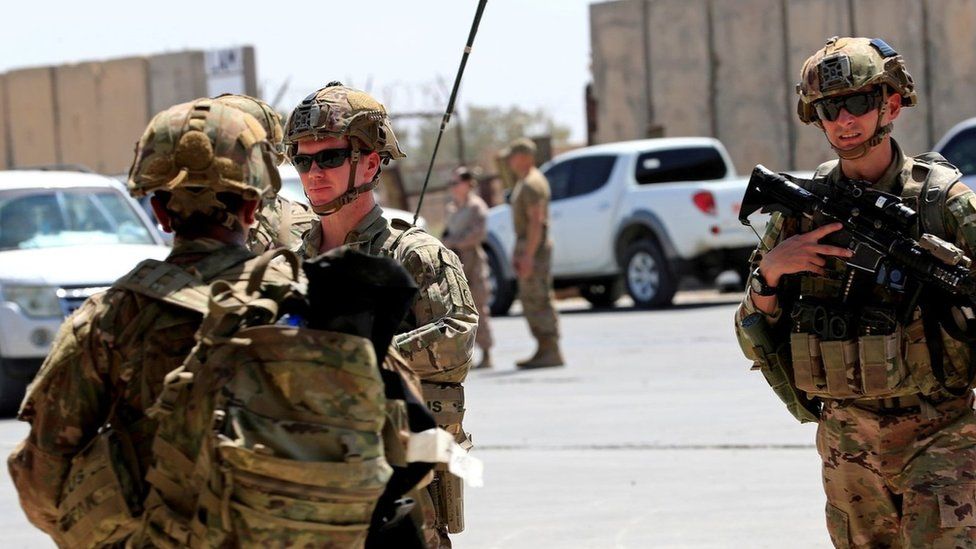
The United States military officially completed its withdrawal of all American troops from Iraq on Wednesday, September 30, 2026, marking the end of a 12-year mission focused on defeating the Islamic State and over two decades of significant US military presence since the 2003 invasion. This landmark departure fulfills a 2024 agreement between Washington and Baghdad, now ushering in a new chapter for Iraq as it reclaims full security responsibility across its territory. While Iraqi Prime Minister Ali al-Zaidi celebrated the moment as 'Iraq's Sovereignty Day,' proclaiming a new phase of national strength, the withdrawal has ignited serious concerns among many, particularly in the Kurdistan Region and Sunni areas, about a potential security vacuum. Experts and local leaders fear a resurgence of Islamic State sleeper cells and increased assertiveness from powerful Iran-backed militias, some of whom openly hailed the US exit as a victory and have resisted government efforts to disarm. Moving forward, the US Pentagon stated it would continue targeted training and intelligence support from outside Iraq, transitioning to a bilateral security relationship, with a US-led counter-terrorism task force now headquartered in Jordan. The Iraqi government faces the critical challenge of consolidating control over all armed groups and effectively countering remaining ISIS threats, with a new deadline of June 2027 set for militia disarmament. The regional balance of power remains delicate, especially amid the ongoing US-Iran conflict, making Iraq's stability a key watchpoint.