US Escalates Anti-Cartel War, Comparing Fight to ISIS Amid Rights Concerns
Context mode is active. Hover over any highlighted term to see its definition. Click a nested term to go deeper.
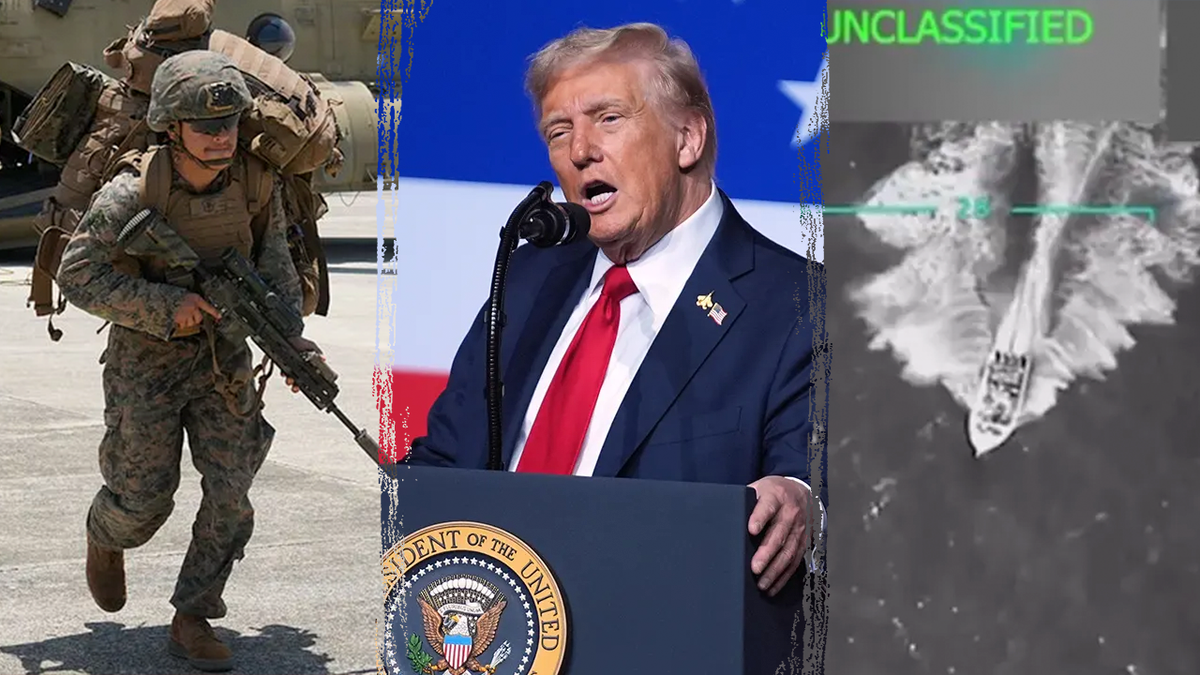
The United States is doubling down on its aggressive military campaign against drug cartels, with top officials openly comparing the fight to the past campaigns against groups like ISIS and Al Qaeda. This declaration comes as defense and security leaders from 19 nations gather in Santo Domingo, Dominican Republic, for a crucial conference of the Americas Counter Cartel Coalition (A3C) to iron out a regional military strategy to dismantle transnational trafficking networks. The U.S. has forcefully defended its lethal strikes on suspected drug vessels, despite mounting criticism over human rights and the lack of public evidence for their claims. Since September 2025, the U.S. military's 'Operation Southern Spear' has conducted over 70 strikes against alleged drug trafficking boats in the Caribbean Sea and Eastern Pacific Ocean, resulting in at least 240 deaths. This aggressive stance, championed by President Donald Trump and Secretary of War Pete Hegseth, frames drug cartels as 'narco-terrorists' and Foreign Terrorist Organizations (FTOs), justifying a military-first approach. However, UN experts and human rights organizations have sharply criticized these operations, labeling them as potential 'extrajudicial killings' and 'crimes against humanity,' highlighting concerns about civilian casualties and the absence of clear legal justification. Looking ahead, the U.S. strategy appears set for even further escalation. Beyond maritime strikes, there's a significant push to expand operations onto land, with U.S. Special Forces already engaged in counter-cartel raids in countries like Ecuador. Just yesterday, over 300 U.S. troops arrived in Colombia for 'Vanguardia del Sur 2026' drills, signaling increased joint military exercises. As the Santo Domingo Conference wraps up today, watch for definitive military plans and any new sanctions against the 24 criminal groups already targeted by the 'Shield of the Americas' coalition, which could significantly reshape regional security dynamics.