US Escalates Iran Standoff: Naval Blockade Resumes, Vessel Disabled After Failed Truce
Context mode is active. Hover over any highlighted term to see its definition. Click a nested term to go deeper.
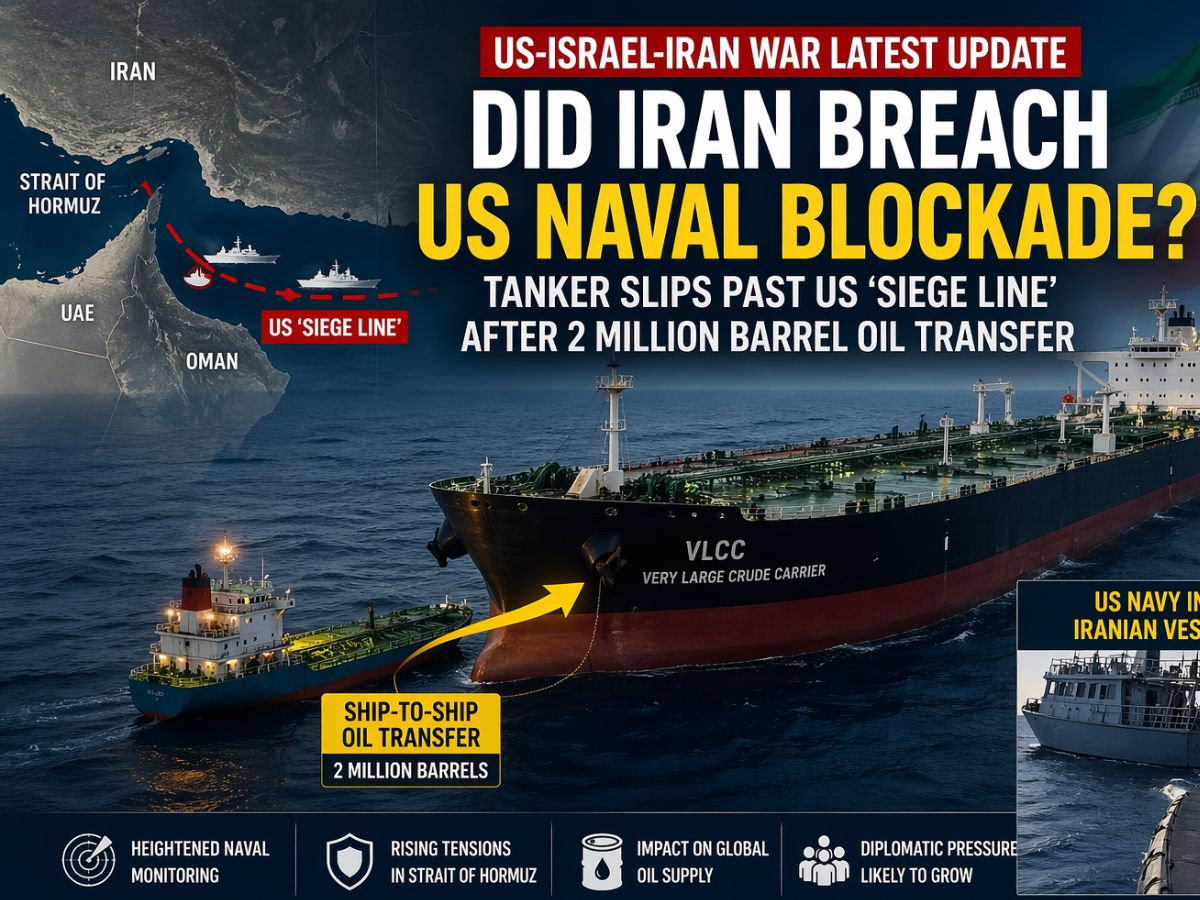
US naval forces have dramatically ramped up pressure on Iran, resuming a full naval blockade and actively stopping ships in the Arabian Sea. American forces redirected five commercial vessels and even disabled one tanker, with the guided-missile destroyer USS Donald Cook leading these operations. This aggressive move comes right after a recent Memorandum of Understanding (MoU) between the nations collapsed, plunging West Asia into deeper uncertainty. This isn't a sudden spark, but a fiery return to high-stakes conflict. The collapsed MoU, which was meant to cool tensions and reopen the vital Strait of Hormuz, failed when Iran reportedly began attacking commercial shipping again. In response, the US has launched new airstrikes against Iranian military targets, while Tehran has hit back at American bases and allies across the region, making the Strait of Hormuz a dangerous choke point for global oil trade once more. The earlier naval blockade in April 2026, imposed after failed Islamabad Talks, had briefly eased, but now the situation is back to a critical point. The immediate future looks tense, with potential for further military clashes and significant disruption to global energy supplies. As US Central Command (CENTCOM) maintains its strict enforcement, the world watches for Iran next move and any international efforts to prevent an all-out regional war. Traders are already bracing for impact on oil prices, making this a critical flashpoint for international diplomacy and global markets.