US Federal Guidance Shifts on Alcohol as Americans Embrace Sober-Curious Lifestyle
Context mode is active. Hover over any highlighted term to see its definition. Click a nested term to go deeper.
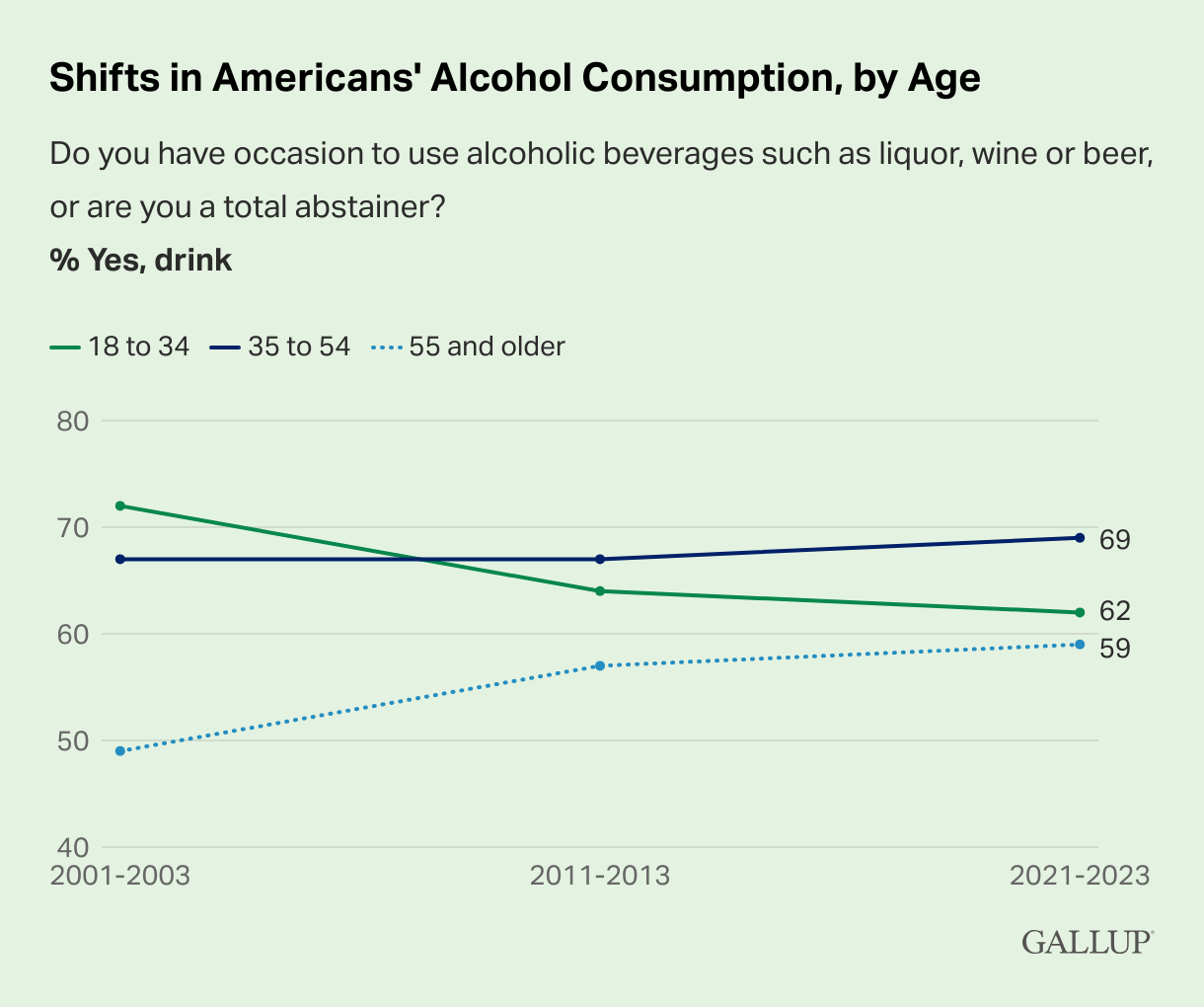
A major shift is underway in how Americans approach alcohol, highlighted by new federal guidance released in January 2026. The U.S. Department of Health and Human Services (HHS) and the U.S. Department of Agriculture (USDA) updated their Dietary Guidelines for Americans, moving away from specific daily drink limits for men and women. Instead, the new advice simply urges people to 'consume less alcohol for better overall health,' a notable change that has sparked debate among health experts. This policy change comes as fewer Americans are choosing to drink, with a 2025 Gallup survey revealing that only 54% of U.S. adults consume alcohol – the lowest rate in nearly 90 years. This decline reflects a growing health consciousness, as 53% of Americans now believe that even 'moderate drinking' is harmful. While some earlier narratives suggested younger generations like Gen Z were entirely 'teetotalers,' recent July 2026 data from IWSR, a beverage industry tracker, shows Gen Z drinking rate (74%) is now similar to other adults, though they tend to drink differently, favoring cocktails and social settings. However, the overall trend of moderation is widespread across age groups, with average weekly consumption falling to its lowest since the mid-1990s. The implications of these vague new guidelines are significant, with some public health officials concerned they could make it harder for individuals and doctors to assess risks, especially as alcohol-induced deaths remain elevated above pre-pandemic levels. The alcohol industry, facing this 'alcohol recession' driven by economic pressures and changing preferences, is actively adapting by expanding its range of non-alcoholic alternatives to cater to the 'sober curious' movement. How consumers respond to this less prescriptive federal advice, alongside evolving societal norms, will shape public health outcomes and the beverage market for years to come.