US Federal Reserve kicks off first meeting with Warsh as chair
Context mode is active. Hover over any highlighted term to see its definition. Click a nested term to go deeper.
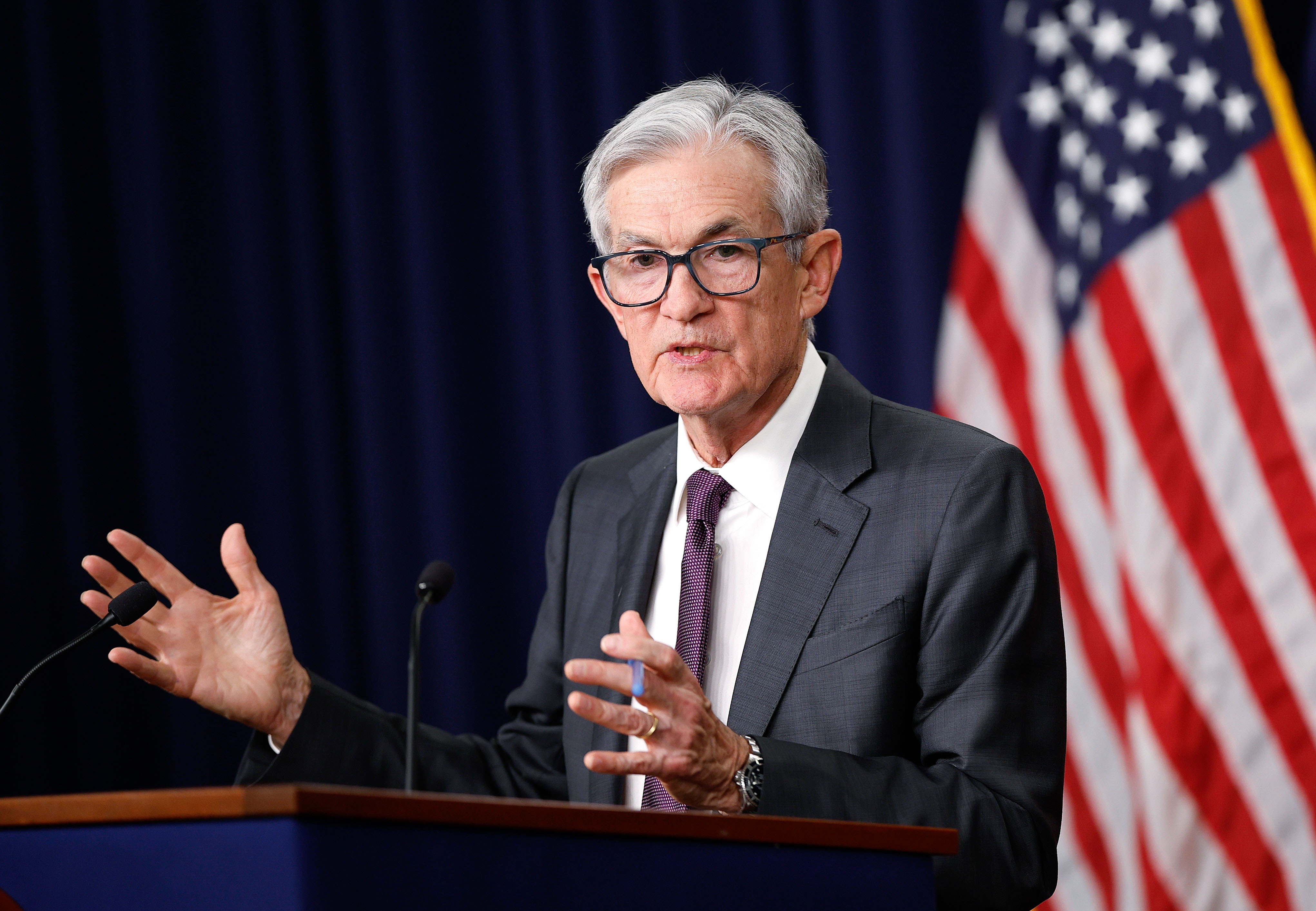
Kevin Warsh today chairs his inaugural Federal Open Market Committee meeting, inheriting a US Federal Reserve facing persistent inflation and global economic uncertainty. While markets widely anticipate the central bank to maintain the federal funds rate at 3.50%-3.75%, the real suspense lies in Warsh's communication strategy and any shifts in the Fed's stance amid soaring consumer prices and geopolitical headwinds. The backdrop to Warsh's debut is complex: US annual inflation, as measured by the Consumer Price Index, surged to 4.2% in May 2026, marking its highest in over three years, fueled partly by escalating energy costs since the Iran war began in late February. This inflation spike makes previous expectations for rate cuts increasingly unlikely, even as the labor market shows signs of moderating. The Fed's cautious stance contrasts with recent rate hikes by the European Central Bank and the Bank of Japan, underscoring divergent global monetary policy paths. Furthermore, Warsh, who succeeded Jerome Powell last month, faces political pressure from President Donald Trump for lower rates while asserting the Fed's independence. All eyes will be on Warsh's post-meeting press conference and the updated Summary of Economic Projections, including the closely watched 'dot plot', for clues on future policy direction. His past criticisms of extensive forward guidance suggest a potential pivot to less explicit commitments, adding a layer of unpredictability. Investors will scrutinize any signals regarding the Fed's willingness to tolerate elevated inflation or, conversely, a surprise hawkish shift if price pressures prove more entrenched. The ongoing US-Iran peace deal, if sustained, could ease energy price volatility, but broader economic resilience against lingering policy uncertainty and trade tensions remains a key watchpoint.