US General Warns: Not Enough Ships to Shield Israel from Iranian Missiles
Context mode is active. Hover over any highlighted term to see its definition. Click a nested term to go deeper.
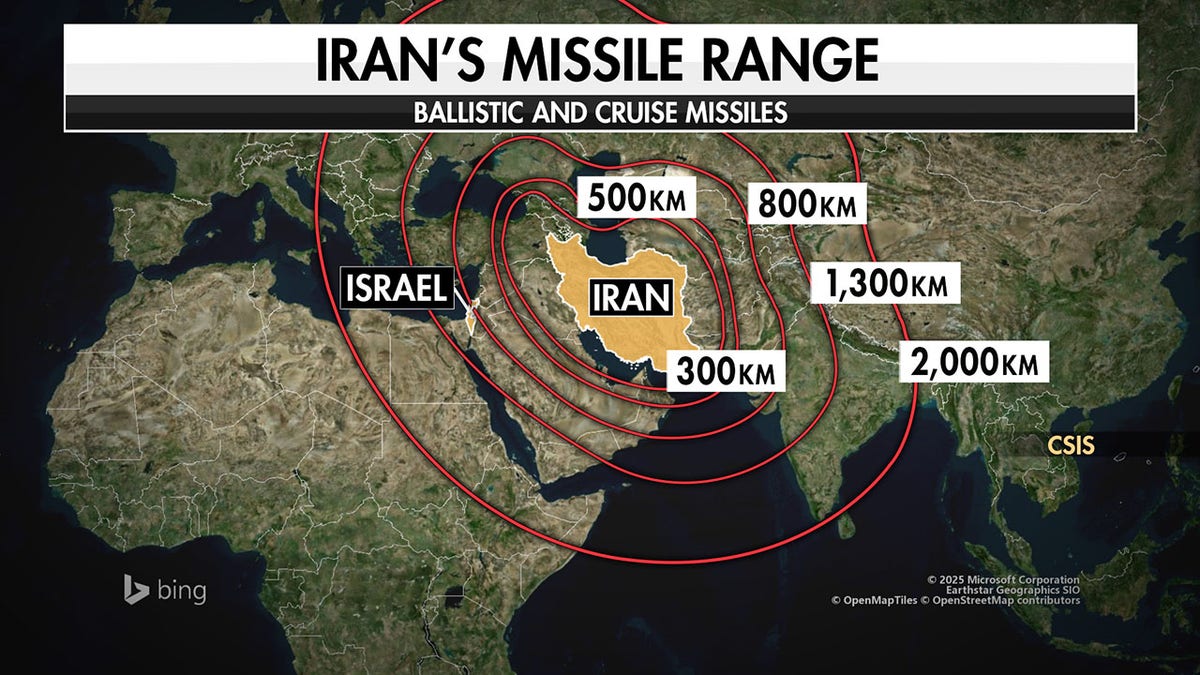
A top U.S. general has issued a stark warning to the Pentagon: the U.S. military is running critically short on naval firepower needed to defend both the American homeland and Israel from a barrage of Iranian ballistic missiles. General Alexus Grynkewich, who leads the U.S. European Command, informed senior defense officials that without another U.S. Navy destroyer, he would be forced to choose between protecting U.S. interests and safeguarding Israel. This urgent message, reported by The Washington Post on August 1, 2026, highlights the severe strain on U.S. resources amid the ongoing conflict with Iran. This crisis isn't happening in a vacuum; it's a direct fallout from the intensifying Iran war, which erupted on February 28, 2026, with joint U.S.-Israel strikes. The U.S. Navy is stretched thin, particularly due to a naval blockade on Iranian ports implemented in response to Tehran's closure of the Strait of Hormuz, a critical global shipping lane. Moreover, months of relentless military operations have drastically depleted America's advanced missile defense stockpiles, with Patriot and THAAD interceptors reportedly falling by more than half, forcing commanders to resort to 'selective interception' to conserve remaining ammunition. The immediate future looks challenging as Washington grapples with resource allocation while Iran continues to advance its diverse missile arsenal, known to be the largest in the Middle East, despite previous attacks. The U.S. is now scrambling to accelerate missile production and secure emergency funding. This situation puts immense pressure on diplomatic efforts and raises critical questions about America's long-term military strategy in the region, especially as a new front opens with Iran recently acquiring Chinese-made shoulder-launched missile systems.